Understanding Government Phone Assistance
This guide explores the intricacies of government phone assistance programs, which provide crucial support for those needing communication devices. These programs aim to bridge the digital divide by offering affordable phone services to eligible participants, especially within low-income households. Through analyzing key providers and understanding eligibility criteria, readers will gain insights into accessing these valuable resources effectively.
Introduction to Government Phone Assistance
In today's interconnected world, having access to a reliable phone service is more than a luxury—it's a necessity. Phone communication plays a vital role in personal relationships, employment, healthcare access, and emergency situations. Understanding the importance of equitable access to communication resources, government phone assistance programs have been established to ensure that individuals from low-income households can enjoy basic communication services crucial for daily life, job searches, and emergencies. These programs are designed to aid those who otherwise might struggle to afford essential phone services, effectively bridging the digital divide and enabling greater social inclusion.
The Importance of Communication Access
Access to communication technologies such as mobile phones has become integral in our daily lives. For many, it facilitates connectivity with family and friends, enables access to educational resources, allows for effective job searching, and provides necessary communication during emergencies. A reliable phone service can be the difference between accessing critical services such as health care or job placement programs and missing out due to lack of communication. Moreover, during crises such as natural disasters, having a working phone is essential for ensuring personal safety and contacting support services.
Yet, a significant portion of the population remains under-connected. According to data from the Federal Communications Commission (FCC), millions of Americans, particularly in low-income demographics, lack access to essential communication tools. Government assistance programs have been introduced to combat this issue, thus facilitating better access for these vulnerable populations.
Key Providers of Government Phone Assistance
Several service providers play a critical role in delivering these essential services. Below is a detailed comparison of the major providers, including an overview of what each offers and how they cater to those in need:
| Provider | Services Included | Additional Package Costs |
|---|---|---|
| SafeLink Wireless | Offers affordable smartphones or BYOD (bring your own device) options, with plans including unlimited text, calls, and varying data limits by location. Users can expect an overall user-friendly experience, especially through their app for managing plans. | Premium device upgrades or additional data come with extra fees, allowing users to customize their plans according to their telephone needs. |
| Assurance Wireless | Provides a free Android smartphone, alongside unlimited talk and text, with data allowances appropriate for light to moderate users. They also include beneficial features such as voicemail and call waiting. | High-speed data and international calling services are available for an extra charge, enabling users to connect without fear of exceeding their basic plan. |
| StandUp Wireless | Delivers affordable smartphones or the option to bring your own device, with plans that include unlimited talk, text, and data options tailored to various usage needs ensuring flexibility and cost-effectiveness. | Extra fees apply for premium phone upgrades or additional data, making it a transparent choice for users who want to avoid unexpected costs. |
| Access Wireless | Includes unlimited voice, text, and limited high-speed data leveraging Lifeline and ACP (Affordable Connectivity Program) benefits. They aim to be very inclusive of varying customer needs. | Offers data boosts and device upgrades for a fee, supporting new users in understanding their needs and usage without overwhelming costs. |
| True Wireless | Proposes affordable government-supported phones and comprehensive voice and data plans, catering especially to individuals without a consistent income. | Device upgrades and additional data plans are available for a price, maintaining accessibility for as many customers as possible. |
Understanding Eligibility and Application Processes
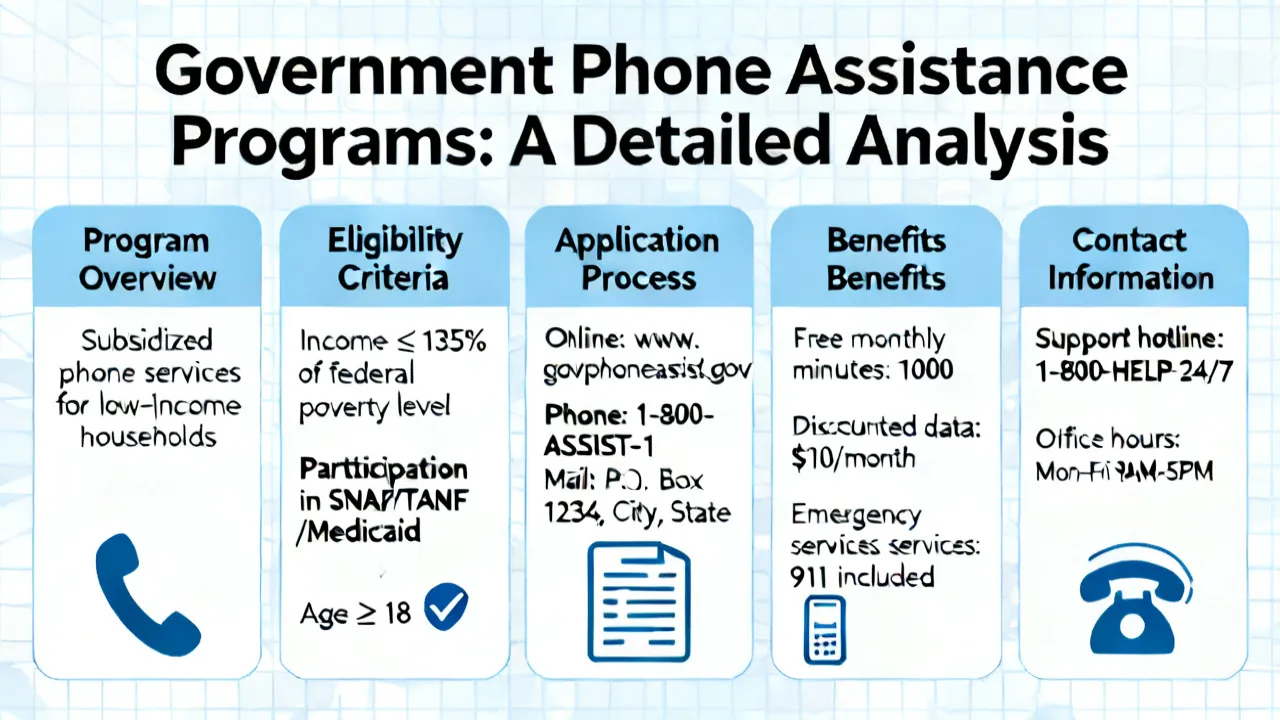
To partake in these assistance programs, applicants must meet specific eligibility criteria. These include having an income below 135% of the federal poverty guidelines or 200% for ACP programs. Additionally, participating in government assistance programs such as Medicaid, SNAP (Supplemental Nutrition Assistance Program), SSI (Supplemental Security Income), or FPHA (Federal Public Housing Assistance) qualifies individuals for these services. Residents on Tribal lands also benefit from additional incentives designed to enhance access.
Applications can be completed online through the providers' websites or affiliated verification systems. Here's a detailed step-by-step guide to help you navigate through the process effectively:
- Visit the Provider's Website: Start by navigating to the official website of your chosen provider; this is crucial as all program information and applications will be hosted there.
- Verify Eligibility: Most providers offer an eligibility checker. Fill out the form with necessary personal and financial information. This will help you understand what programs you may qualify for based on your situation.
- Prepare Documentation: Collect any required documentation, such as proof of income (like recent pay stubs or tax returns) or evidence of your participation in qualifying programs. Being organized can expedite your application.
- Submit Application: Complete and submit your application form. Following submission, you should receive a confirmation email or notification from the provider, as well as instructions for any further steps.
Once you're accepted into a program, it's essential to stay informed about renewal requirements or any changes in your eligibility status. Providers typically require annual updates on income status or continued participation in government assistance programs to retain the benefits associated with their services.
Frequently Asked Questions (FAQs)
Who qualifies for government phone assistance? Individuals with incomes below the specified thresholds or who participate in eligible government assistance programs qualify for government phone assistance. Special provisions and additional benefits exist for residents of Tribal lands.
How do I apply? Applications can be submitted online through participating providers' websites. Each application requires necessary documentation, so make sure to gather all this information before starting the process.
Are there any costs associated? While the basic phone services are generally provided at no charge, additional features like data upgrades or premium devices may incur extra costs. It's crucial for applicants to carefully review the terms associated with the plan they choose to ensure it meets their needs without incurring unexpected expenses.
What happens if my circumstances change? It's important to inform your provider of any changes in your financial situation, household size, or address, as these factors can influence your eligibility and the benefits you receive. Failure to report significant life changes could result in loss of benefits.
Conclusion
Government phone assistance programs serve as a lifeline for individuals and families needing affordable phone services that support their integration into society. Eligibility primarily hinges on income levels and participation in eligible government aid programs, but these programs offer varied services designed to accommodate diverse user needs.
Staying informed about the latest provider offerings can empower beneficiaries to choose the service best suited to their unique situation. The importance of these programs extends beyond just providing access to a phone; they maintain an essential bridge to opportunities in employment, education, and healthcare, ensuring that technology does not remain a barrier in the lives of low-income individuals.
Ultimately, government phone assistance programs play an invaluable role in bridging digital gaps, ensuring that everyone has the essential communication tools needed to thrive in modern society. By enhancing access to reliable communication, these initiatives foster broader social equity and empower underserved communities.
As the landscape of communication continues to evolve, staying connected will remain a priority for millions. Understanding your options and knowing how to navigate the application process can lead to greater personal and community empowerment.
Source: - [SafeLink Wireless](https://www.safelinkwireless.com) - [Assurance Wireless](https://www.assurancewireless.com) - [StandUp Wireless](https://standupwireless.com/) - [Access Wireless](https://www.accesswireless.com) - [True Wireless](https://www.gotruewireless.com/)
Disclaimer: 1) The above information is derived from online sources and is current as of October 2023. 2) Our platform does not guarantee eligibility or access to government phone programs. For detailed application criteria, please refer to the specific requirements on the official provider websites. Note that this information may not be updated in real time.