
Understanding Controller BMS Dynamics
This article delves into the intricate realm of Controller BMS (Battery Management Systems), which are vital components ensuring the efficient operation, safety, and longevity of battery-powered devices. A Controller BMS manages the internal state of batteries, incorporating monitoring, balancing, and protection. Several factors define their efficiency, including software algorithms, hardware architecture, and industry standards.
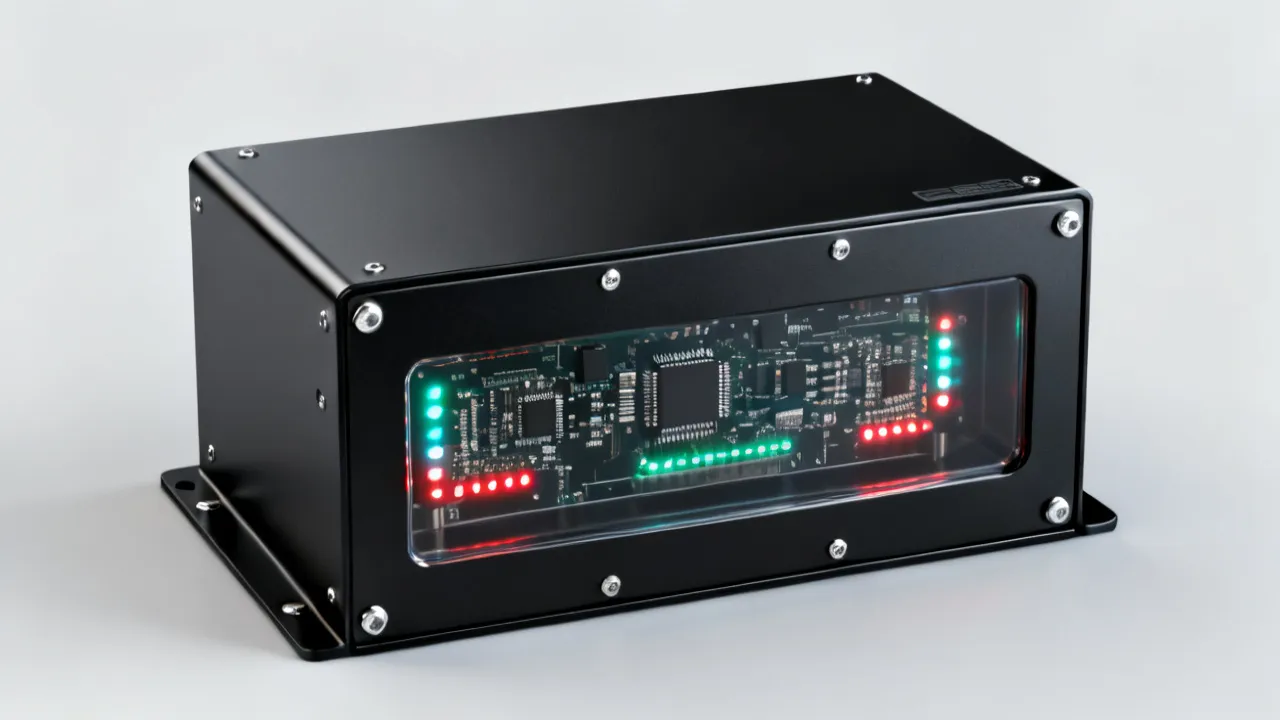
Introduction to Battery Management Systems
In the ever-evolving landscape of energy storage and power management, the Controller BMS (Battery Management System) stands as a crucial component. It serves as the backbone for any battery-based operation, ensuring safety, efficiency, and reliability. A Controller BMS is responsible for monitoring, balancing, and protecting batteries to extend their lifecycle and enhance performance. With the surge in electric vehicles (EVs) and renewable energy sources, the significance of BMS systems has become paramount in maintaining battery health and optimizing energy usage.
The Role and Functionality of Controller BMS
The primary function of a Controller BMS is to manage the battery's internal state meticulously. At its core, it includes software algorithms designed to ascertain optimal charging and discharging cycles, safeguard against potential faults, and ensure uniform energy distribution. Advanced BMS units employ complex algorithms to adapt to varying environmental conditions, thus ensuring seamless performance across devices.
Beyond just basic functions, a robust BMS plays a significant role in data analytics. The information gathered through sensors allows for detailed performance assessments. For instance, detailed monitoring can help predict battery health over time, which is invaluable for applications requiring predictable performance, like backup power systems and grid storage. Moreover, many modern systems incorporate self-learning algorithms, enhancing their adaptability based on historical data.
Hardware and Software Components
Controller BMS units are a confluence of robust hardware and intelligent software. The hardware includes sensors, controllers, and communication modules that interface intricately with the battery. These components work together to continuously collect data on temperature, voltage, and current, feeding back to the system to enable real-time adjustments.
The sensors play a vital role in accurately gauging the state of the battery. Temperature sensors help prevent overheating; voltage sensors monitor the health of individual cells, ensuring consistent discharge rates; and current sensors track energy output. These elements together create a well-rounded monitoring system that provides comprehensive insights into battery performance.
The software aspect, on the other hand, comprises sophisticated algorithms and diagnostic tools. These systems are designed to predict and counteract faults, optimize charge cycles, and perform active balancing across battery cells. This ensures uniform current distribution, mitigating risks such as overheating or uneven degradation among cells. In high-performance applications, software updates are essential to enhance operational algorithms, sometimes even enabling remote upgrades to evolving systems.
Industry Standards and Compliance
Adherence to industry standards is critical for any Controller BMS. Standards such as ISO 26262, IEC 61508, and UL 1973 define safety protocols and operational benchmarks for BMS systems. Compliance not only ensures compatibility and safety across various applications but also fortifies consumer confidence in product reliability. Additionally, these standards help streamline the certification process for manufacturers seeking to enter new markets or industries.
Specific industries may also have tailored regulations, such as the automotive industry requiring A-SPICE (Automotive SPICE) compliance, which ensures that software processes meet stringent automotive requirements. With the increasing focus on sustainability, new environmental standards are also emerging that impact how materials are chosen and processes are conducted in the manufacturing of BMS units.
Applications of Controller BMS
Controller BMS units find their applications in a myriad of industries. From electric vehicles to renewable energy systems and portable devices, these systems are indispensable. In electric vehicles, they are the nerve center, orchestrating power distribution and thermal management. The renewable energy sector relies heavily on BMS for efficient storage and dispatching of captured energy from sources like solar panels.
Beyond these applications, Controller BMS systems are becoming integral to uninterruptible power supplies (UPS) used in data centers. They ensure batteries give a reliable power backup during outages, preventing critical data loss. This reliability is also crucial in the aerospace sector, where BMS aids in managing battery systems for onboard avionics and emergency systems.
Furthermore, home energy storage systems, particularly with the rise of solar installations in residential areas, utilize Controller BMS to manage the energy harvested and stored in batteries, allowing homeowners to maintain energy independence while minimizing reliance on the grid.
Table: Key Features and Specifications of Controller BMS
| Feature | Description |
|---|---|
| Monitoring | Continuous observation of voltage, current, and temperature across cells. |
| Safety | Protection features against overcharge, discharge, short-circuits, and thermal events. |
| Balancing | Ensures even distribution of charge to maintain consistency within the battery pack. |
| Communication | Interfaces with other system components for data exchange and operational signals. |
| Data Analysis | Detailed analytics to monitor battery health and performance trends. |
| Adaptability | Utilization of self-learning algorithms to optimize performance based on historical data. |
Future Developments in Controller BMS
As technology advances, Controller BMS systems are evolving with enhanced capabilities and reduced footprints. Future developments focus on increasing energy density, integrating AI interfaces for predictive analysis, and advancing communication protocols with the Internet of Things (IoT) network, thereby opening new vistas for innovation. The trend toward miniaturization also looks promising, with efforts aimed at creating more compact and lightweight BMS solutions without sacrificing performance.
Moreover, an area gaining traction is the integration of blockchain technology within BMS systems for enhanced data security and traceability. This ensures that data collected from battery usage and performance remains tamper-proof, providing an additional layer of security—especially important in commercial settings where data integrity is crucial.
Integration with Renewable Energy Systems
Another forward-looking development is the synergy of Controller BMS with renewable energy systems. As energy consumption becomes more decentralized, we will see BMS technologies that work seamlessly with solar inverters and wind energy systems to create more robust energy management systems. For instance, BMS in combination with smart grid technology can automatically alter charging and discharge rates based on real-time energy prices or availability, optimizing both economic efficiency and environmental impact.
Challenges Faced by Controller BMS
While the advancements in BMS technology are promising, several challenges remain. Chief among them is the need for cost-effectiveness; as technology develops, the affordability of BMS units must be maintained, particularly for widespread adoption in consumer markets. Additionally, as battery technologies evolve—such as the move towards solid-state batteries—the BMS must also adapt to manage different battery chemistries which may have different voltage, temperature, and current profiles.
Another challenge arises from the cybersecurity threat to BMS systems. As more devices connect to networks for real-time monitoring and management, they become increasingly susceptible to cyberattacks. As a result, security measures, such as encryption and robust authentication protocols, are essential in protecting sensitive data and ensuring system integrity.
Real-World Case Studies of Successful BMS Implementation
Several real-world examples highlight the successful implementation of Controller BMS in various sectors:
Case Study 1: Tesla's Electric Vehicles
Tesla's vehicles utilize advanced BMS technology to manage the performance of their lithium-ion battery packs. They implement algorithms that monitor a multitude of factors continuously, optimizing charging cycles and ensuring cell balancing to prolong battery life. The success of Tesla's BMS is demonstrated in their vehicles’ remarkable range and performance, setting a standard in the industry.
Case Study 2: Home Solar Energy Systems
Many home energy storage systems employ Controller BMS to maximize efficiency. For instance, the integration of BMS with solar storage batteries allows homeowners to store energy during peak sunlight hours for use during the night. This system intelligently manages charge cycles and power distribution, providing both economic and environmental benefits.
Case Study 3: Renewable Energy Microgrids
In rural areas, microgrids powered by renewable energy often incorporate advanced BMS solutions to manage energy flow from multiple sources, including solar panels and wind turbines. These systems ensure that energy generated can be stored efficiently for use when production is low, thereby providing consistent power supply to communities.
FAQs
What is the main purpose of a Controller BMS?
The primary purpose of a Controller BMS is to manage battery health by monitoring, balancing, and providing protective measures to ensure efficient operation and extended lifespan. This is crucial for applications where reliability is key, such as in electric vehicles or energy storage for grid management.
How does a Controller BMS contribute to battery safety?
By implementing safety protocols as recommended by industry standards, a BMS prevents dangerous conditions like overcharging, short-circuits, and overheating, thus enhancing overall safety. Specifically, it can monitor temperature spikes that could indicate a fault within the battery, allowing for rapid intervention.
What industries benefit the most from Controller BMS?
Industries such as electric automotive, renewable energy, and consumer electronics benefit immensely, leveraging BMS systems to optimize performance and reliability in their products. The growth of electric vehicles and renewable energy storage applications is accelerating the demand for advanced BMS solutions.
What advancements can we expect in Controller BMS technology?
Future developments may focus on AI integration for predictive analytics, advanced cybersecurity measures, and enhanced compatibility with emerging battery chemistries. Moreover, the push towards sustainable manufacturing will see new standards in materials and processes used in BMS production.
How does data collection from Controller BMS impact performance?
Data collected by Controller BMS helps in assessing the long-term health and performance of a battery. By using this data, manufacturers can refine battery designs and charging algorithms which not only enhance the efficiency of the battery but also help in understanding failure modes for proactive maintenance strategies.
What impact does the Internet of Things (IoT) have on Controller BMS?
The integration of IoT with BMS enables real-time data exchange and remote monitoring, thus allowing for more efficient management of energy systems, predictive maintenance, and better overall performance analytics. This can lead to smarter energy consumption patterns and an enhanced user experience.