
Understanding Controller BMS Applications
This guide delves into the intricacies of Controller BMS (Battery Management Systems), highlighting their importance in modern technology. A Controller BMS is crucial for battery health, safety, and efficiency, especially as demand for sustainable solutions grows. These systems are pivotal in managing the performance and life cycle of battery packs in multiple industries.
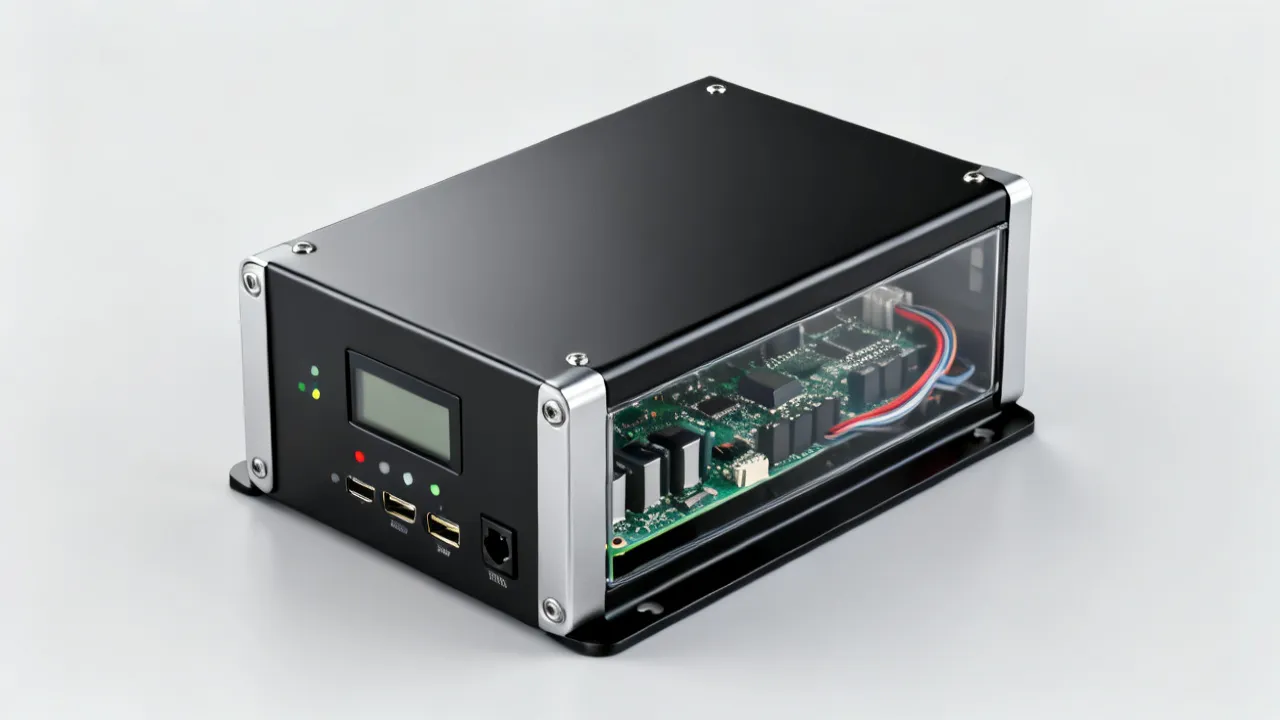
Introduction to Controller BMS
Batteries are the cornerstone of modern technology, powering devices from mobile phones to electric vehicles. Behind the scenes, the Controller BMS, or Battery Management System, plays a critical role in ensuring these batteries operate safely and efficiently. This article explores how a Controller BMS works, its applications, and its importance in contemporary technological innovations. The BMS not only contributes to the operation of batteries but also embodies a multifaceted framework that intersects electricity, electronics, and sustainable practices.
The Role of a Controller BMS
The Controller BMS is essentially the brain of a battery pack. It monitors and manages various parameters of the battery, such as state of charge, state of health, temperature, and voltage. These systems are designed to protect the battery from malfunction and extend its lifespan, ensuring that it performs optimally for the device it powers. The BMS plays a multidimensional role; not only does it oversee operational parameters, but it also acts as a safeguard against potentially catastrophic failures, thereby ensuring the safety of users and equipment alike.
Moreover, the functionality of a Controller BMS extends to communication capabilities with other systems. This often involves interface with onboard vehicle systems in electric vehicles or integration with renewable energy management systems in larger energy installations. The evolution of BMS technologies is also influenced by competitive markets demanding better performance and enhanced user experiences, which drives continuous innovation.
Applications of Controller BMS
Controller BMS units are employed across a range of industries:
- Electric Vehicles (EVs): As the automotive industry shifts towards electrification, the demand for advanced BMS solutions has increased. These systems are crucial for ensuring battery efficiency and safety, improving vehicle range, and reducing charging time. Additionally, they facilitate regenerative braking systems that harness energy during deceleration, further enhancing battery performance and efficiency.
- Renewable Energy Systems: In solar and wind power installations, battery storage solutions are vital. A robust Controller BMS helps in maximizing energy storage efficiency and reliability, crucial for maintaining consistent energy supply. With the integration of BMS into grid systems, the management of distributed energy resources becomes more accessible, allowing households and businesses to leverage renewable energy resources effectively.
- Consumer Electronics: From smartphones to laptops, Controller BMS technology is utilized to prolong battery life and ensure device safety. It's particularly important as devices become more powerful and compact. In this sector, advancements in BMS algorithms optimize charging cycles, which mitigate issues related to battery swelling, overheating, and reduced lifecycle.
Technical Insights into BMS Functionality
An effective Controller BMS performs multiple functions:
- Cell Balancing: Ensures each cell within the battery pack is charged evenly to prevent degradation. This process is vital because unbalanced cells can lead to shortened battery life and reduced performance.
- Temperature Management: Monitors and manages battery temperature to avoid overheating, which can lead to battery failure. Heated batteries can damage internal components, and higher ambient temperatures often hasten chemical reactions that contribute to capacity loss over time.
- Protection Mechanisms: Includes overcharge, over-discharge, and short circuit protection to prevent damage to the battery and device. These protection mechanisms are critical for safeguarding the batteries against conditions that could lead to thermal runaway, a potentially dangerous situation resulting from excessive heat and energy.
Advancements in Controller BMS Technology
Recent advancements in Controller BMS technology have focused on improving smart monitoring and connectivity. With the integration of IoT, these systems can now provide real-time data analysis, predictive maintenance, and remote diagnostics, allowing for proactive management of battery health and performance. This connectivity also allows for firmware updates and optimization of battery parameters without the need for extensive physical intervention.
Another significant advancement involves utilizing machine learning algorithms to analyze battery performance and predict future behavior based on historical data. This capability enables enhanced decision-making for both consumers and manufacturers. For example, knowing when a battery will require servicing or observing performance dips can lead to more informed usage patterns and improve overall efficiency.
Exploring the Importance of Accurate State of Charge (SOC) and State of Health (SOH) Measurements
One of the crucial roles of a Controller BMS involves accurately measuring the State of Charge (SOC) and State of Health (SOH). SOC refers to the current charge level of the battery, whereas SOH pertains to the overall condition and residual capacity in comparison to its original capabilities. Accurate SOC readings are vital for effective battery usage and can affect operational limits in electric vehicles or energy storage systems. Misestimations of SOC can lead to reduced efficiency, damage to the battery, or even risk safety.
In terms of SOH, battery aging and performance degradation are significant concerns. The BMS needs to evaluate factors such as cycle count, temperature variations, and charge/discharge rates to deliver an accurate assessment. Techniques such as impedance spectroscopy and Coulomb counting can be integrated into BMS to improve the accuracy of SOH assessments and provide users with important data on battery replacement or maintenance schedules.
A Table for Comparison of BMS Features
| Feature | Description |
|---|---|
| Smart Monitoring | Real-time data on battery status and predictive maintenance insights, massively enhancing overall usability and reliability. |
| IoT Integration | Allows for remote diagnostics and system updates, which streamline maintenance processes and enhances user experience. |
| High Efficiency | Optimizes energy use and enhances battery lifespan to align with eco-friendly practices and cost-effective solutions. |
| Data Analytics | Utilizes machine learning algorithms and historical data to forecast performance and recommend best practices for battery care. |
Importance of Controller BMS in Sustainability
As society moves towards sustainability, Controller BMS systems are becoming increasingly important. They enable the efficient use of energy resources, reduce waste, and minimize the environmental impact of battery disposal. By ensuring maximum battery performance and longevity, BMS technology contributes significantly to reducing carbon footprints. The transition into a circular economy, where batteries are recycled and reused, is heavily reliant on the accurate and efficient reporting of battery performance metrics facilitated by BMS technology.
Furthermore, the adoption of BMS technology also resonates with global efforts toward promoting renewable energy initiatives. As renewable energy solutions become more prevalent, the BMS allows for better grid integration and energy distribution efficiency, enabling a seamless operation between power generation sources and end-users. By facilitating energy storage solutions, BMS brings forth an avenue for users to harness renewable energy during off-peak times and utilize it efficiently, thus promoting sustainability.
Case Studies: Real-World Applications of BMS Technology
To illustrate the practical implications and benefits of Controller BMS technology, let's explore a few case studies:
Case Study 1: Electric Vehicle Integration
A leading electric vehicle manufacturer implemented advanced Controller BMS in their latest model to enhance battery management. This BMS integrated real-time monitoring capabilities, allowing the vehicle's system to make informed decisions about battery usage and charging during different driving conditions. By measuring SOC and SOH accurately, the BMS was able to optimize power delivery and prolong battery life, resulting in a 15% increase in overall range compared to earlier models. Additionally, the integrated machine learning algorithms adapted to user driving habits, offering tailored charging recommendations.
Case Study 2: Solar Energy Storage Systems
A commercial solar energy provider integrated BMS technology into their system for managing battery storage. With the ability to monitor energy inflows and outflows, the BMS ensured optimal charging during peak sun hours and efficient discharging during high demand periods. Utilizing predictive analytics facilitated by machine learning, the system forecasted energy needs based on historical usage data, leading to a 30% improvement in energy efficiency. This integration not only optimized energy use but also significantly reduced operational costs.
Case Study 3: Consumer Electronics Batteries
A smartphone brand adopted the latest BMS features in its new line of products, enhancing battery longevity and user safety. The BMS implemented extensive life cycle monitoring capabilities, predicting when the battery health would start declining and notifying users in advance. Moreover, the incorporation of smart charging algorithms reduced battery swelling incidents by advising users against overcharging their devices. These efforts amplified customer satisfaction and loyalty as users experienced enhanced device performance without sacrificing safety.
Global Trends in BMS Development
The rapid development in BMS technologies is propelled by several global trends:
- Increased Electric Vehicle Adoption: As countries announce bans on internal combustion engines and shift towards electric mobility, the demand for robust and efficient BMS solutions intensifies.
- Sustainable Energy Initiatives: The transition to renewable energy solutions places greater emphasis on energy storage technologies to manage intermittent power supply, creating opportunities for advanced BMS functionalities.
- Consumer Electronics Evolution: The continuous demand for smarter, faster, and more powerful devices drives the need for advanced BMS technologies capable of meeting high-performance expectations.
Challenges Facing BMS Technologies
While BMS technologies are becoming increasingly sophisticated and integrated into various applications, several challenges persist:
- Complex Systems Integration: As vehicles and devices become more complex, integrating an effective BMS within existing architectures can be challenging.
- Regulatory Compliance: Adhering to safety and environmental standards can be demanding, especially with the evolving legislation surrounding battery safety and disposal.
- Technological Obsolescence: Rapid advancements in battery technology may render existing BMS solutions less effective or outdated, necessitating frequent updates and improvements.
Future Directions for Controller BMS
Looking ahead, the future of Controller BMS technology is poised for exciting developments:
- AI and Machine Learning Integration: The potential for AI-driven predictive analytics will revolutionize how battery performance is monitored and optimized, minimizing degradation and maximizing usability.
- Enhanced Connectivity: Future BMS solutions will incorporate advanced communication protocols for seamless integration with smart city infrastructure and the internet of things (IoT), leading to more interactive and efficient energy management solutions.
- Battery Recycling and Lifecycle Management: As sustainability becomes paramount, BMS technology will evolve to facilitate better recycling processes and extended battery life management practices, aligning with the circular economy model.
FAQs
What is a Controller BMS?
A Controller BMS is a system that monitors and manages the performance of rechargeable battery packs, ensuring their safety and efficiency. It encompasses a range of technologies to maximize battery life and performance.
Why is it important in electric vehicles?
In electric vehicles, a BMS is critical for managing battery health, efficiency, and safety, affecting the vehicle's range and performance. It plays a crucial role in power distribution and safety mechanisms.
How does IoT integration enhance BMS functionality?
IoT integration allows for remote monitoring and diagnostics, providing real-time data that helps in predictive maintenance and system optimization, facilitating improved operation and user experiences.
What measures can users take to optimize battery life further?
Users can optimize battery life by avoiding extreme temperatures during charging, practicing regular charge-discharge cycles, and following manufacturer guidelines regarding charging practices.
Conclusion
The evolution of Controller BMS technology is a testament to the growing demand for safer, more reliable, and efficient energy storage solutions. As industries continue to innovate, the development and enhancement of BMS systems will be crucial in ensuring that advancements in technology are sustainable and environmentally friendly. Through these technologies, we can harness the full potential of batteries, driving progress in electric mobility, portable electronics, and renewable energy systems. It's clear that as technologies advance, so too must the systems that manage them, further solidifying the importance of robust and sophisticated Controller BMS solutions in our daily lives and future innovations.