
The Basics of Controller BMS
This article delves into the significance of "Controller BMS" within modern energy management systems. As energy storage solutions advance, Controller BMS systems play a crucial role in monitoring and optimizing battery performance, enhancing the longevity and safety of power storage. By understanding the components and functionalities of these systems, one can appreciate their impact on energy efficiency and sustainability.
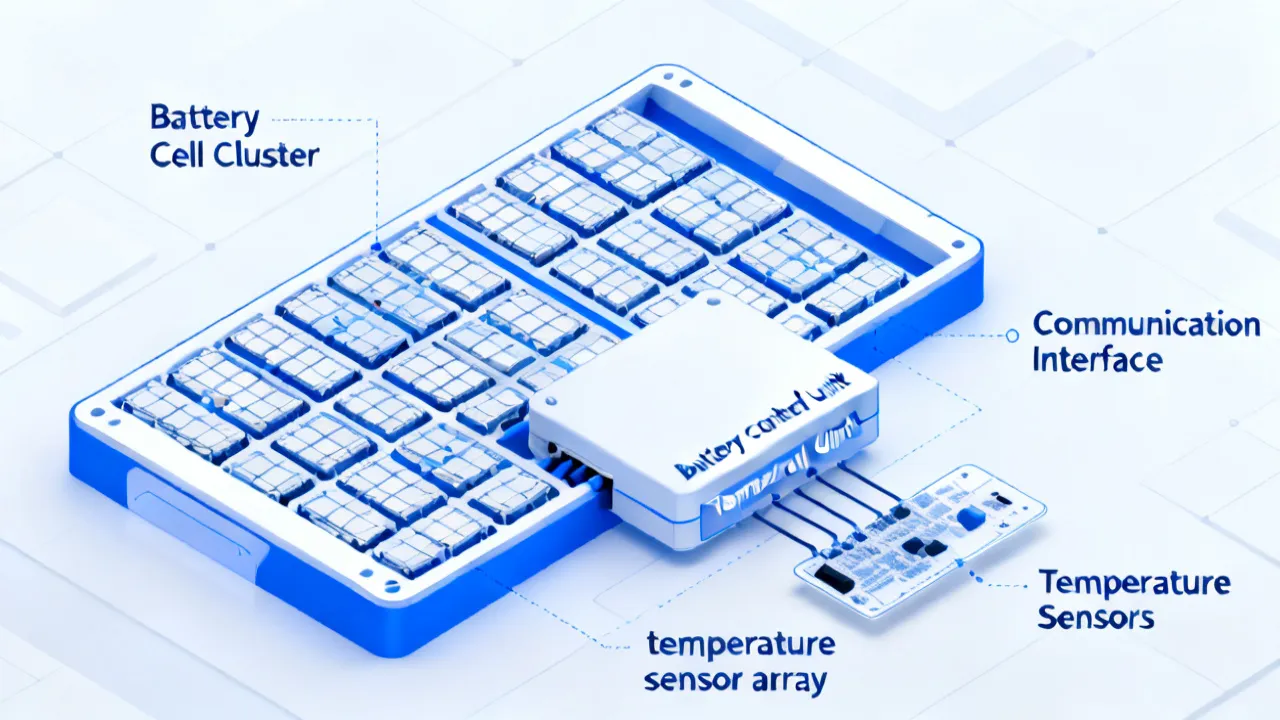
Understanding Controller BMS
Controller BMS, or Battery Management Systems for controllers, are a vital component in modern energy management, powering technologies ranging from electric vehicles (EVs) to renewable energy systems. These systems ensure that batteries operate efficiently and safely, maintaining optimal performance across a variety of applications. With the increasing reliance on batteries for energy storage, understanding the various facets of Controller BMS becomes crucial. The primary purpose of a Controller BMS is to monitor the battery's state, manage charging, and provide real-time data to optimize performance and extend the battery's lifespan. This deep integration into our technology systems highlights its significance in reducing operational costs and enhancing user experience.
Key Functions of Controller BMS
The Controller BMS is loaded with multiple functions that enhance overall battery performance. These key roles can be broken down into several categories:
- Monitoring: Real-time data collection on charge levels, temperature, voltage, and current is essential to prevent scenarios like overcharging or deep discharge. Advanced monitoring systems utilize sensors to ensure accurate data influx, enabling timely interventions in case of anomalies.
- Balancing: Ensures uniform charge across battery cells, preventing any cell from being overcharged or discharged, which enhances battery longevity. Advanced balancing techniques can include passive and active balancing strategies, each catering to different specific needs depending on the battery design.
- Protection: Safeguards the battery from adverse conditions such as extreme temperatures, short circuits, and electrical overloads. This is often facilitated by hardware and software solutions that monitor operational parameters and initiate protective actions automatically.
- Data Analysis: Provides insights on battery health and performance for future optimization and predictive maintenance. This involves leveraging historical data to predict potential issues, ultimately leading to improved battery management strategies and reliability.
Advantages of Implementing Controller BMS
Implementing a sophisticated Controller BMS offers numerous advantages. These benefits extend beyond just enhanced performance, impacting the entire lifecycle of battery applications:
- Enhanced Safety: Continuous monitoring reduces risks associated with battery failures like overheating and fires, which are particularly important in consumer electronics and EV sectors.
- Efficiency Optimization: Improved charge-discharge cycles and better load management lead to higher energy efficiency, translating into longer equipment lifetimes and reduced energy costs.
- Extended Battery Life: Through cell balancing and protection mechanisms, BMS helps prolong battery life—reducing the frequency of replacements and capital expenditures.
- Cost-Effective Management: Good savings are realized by minimizing maintenance costs and maximizing battery performance, which can significantly affect the total cost of ownership (TCO) for businesses.
Controller BMS in Renewable Energy Systems
In the realm of renewable energy, Controller BMS systems are pivotal. They play a crucial role in managing storage batteries for solar or wind energy setups. As renewable energy sources like solar and wind become dominant, efficient energy storage systems are essential for addressing intermittency and ensuring stable power availability. By optimizing the charge and discharge cycles, these systems ensure that stored energy is effectively utilized, thereby facilitating greater reliance on renewable sources and minimizing wastage. Furthermore, the integration of Controller BMS in these systems allows for the deployment of renewable energy solutions in residential and commercial facilities, thereby encouraging wider adoption and sustainability in energy usage.
Technological Innovations in Controller BMS
Recent advancements have pushed Controller BMS systems to new capabilities, enhancing their scope and application. Some of these technological innovations include:
- Integration with IoT: The Internet of Things (IoT) technology allows BMS to connect with cloud services, providing remote monitoring and control for users and operators. These connectivity features enable real-time updates and facilitate troubleshooting, improving system reliability and reducing maintenance efforts.
- Artificial Intelligence: AI-driven analytics enable predictive maintenance by anticipating failures before they occur, thereby reducing downtime. With machine learning algorithms, the BMS can continually improve its accuracy and adapt its response based on historical usage patterns.
- Wireless Communication: Enhancements in communication technology allow BMS to operate wirelessly, offering flexibility and reducing installation costs. This is particularly useful in large setups where wired communication may be impractical or costly.
- Enhanced Data Security: As BMS systems become more connected, ensuring data integrity and security becomes paramount. New encryption methods and cybersecurity measures are being integrated to protect sensitive operational data from unauthorized access and potential cyber threats.
Challenges Faced by Controller BMS
Despite the numerous benefits, there are distinct challenges associated with Controller BMS that warrant consideration:
- Complexity: The integration of numerous components requires sophisticated design and careful management. This complexity can lead to issues in troubleshooting and can require specialized knowledge for operators.
- Cost: The initial setup of a Controller BMS can be expensive, though it ultimately pays off in the long run through enhanced efficiency and safety. Organizations must weigh upfront costs against long-term savings when making investment decisions.
- Standardization: Lack of uniform standards can complicate interoperability across different battery technologies and manufacturers, leading to challenges in system integration, maintenance, and potential compatibility issues.
- Technological Obsolescence: Rapid advancements in technology mean that existing BMS systems can quickly become outdated, necessitating regular updates and innovations to maintain competitive advantage.
Frequently Asked Questions
Q1: What is the primary purpose of a Controller BMS?
A1: The main role is to monitor and manage battery operations to optimize performance, ensure safety, and extend the battery's useful life. BMS also provides critical insights for improving operational strategies based on data-driven insights.
Q2: How does Controller BMS enhance safety?
A2: It provides constant monitoring, protecting against conditions like overcharging, deep discharge, and over-temperature, thereby preventing failures. The ability to initiate protective measures in real-time is crucial in avoiding catastrophic failures.
Q3: Are Controller BMS systems applicable in all battery types?
A3: While commonly used in lithium-ion batteries, advancements are enabling wider compatibility across various battery technologies. Continued research in battery chemistry is leading to development in BMS technology that can accommodate newer battery types.
Q4: What technological trends are impacting Controller BMS development?
A4: Integration with IoT and AI, along with wireless communication advancements, are significant trends enhancing BMS functionality and efficiency. These innovations contribute to the overall redefined landscape of energy management and optimization.
Future of Controller BMS
As we gaze into the future of energy management, the role of the Controller BMS will continue to evolve dramatically. With increasing prominence of electric vehicles and greater integration of renewable energy systems, the need for sophisticated battery management solutions will intensify.
New research focuses on the development of solid-state batteries, which promise increased energy density and safety. The Controller BMS will need to adapt to the unique characteristics that come with these advanced battery technologies. Emerging battery chemistries will also require BMS systems to evaluate new parameters for optimal performance and safety standards.
Furthermore, as the demand for energy storage rises, more ambitious projects integrating BMS with smart grids can be anticipated. These projects will allow for real-time adjustments based on energy supply and demand dynamics, thus optimizing overall grid stability and efficiency. This synergistic approach can lead to more sustainable energy usage by enhancing battery deployment across the grid.
In the context of Smart Cities, the integration of Controller BMS with municipal energy management services can provide insights that enhance civic infrastructure. By leveraging real-time data analytics, cities can optimize energy distribution and reduce overall consumption in public services as well as in residential and commercial sectors.
Concluding Remarks
As we advance our renewable energy goals and embrace electric mobility, Controller BMS technologies will be indispensable. They provide the backbone for safe, efficient, and durable energy storage solutions across a range of applications. Embracing these technologies not only means increasing the efficiency and safety of current energy systems but also contributing to the larger goal of a sustainable and energy-efficient future. With continuous research and technological advancements on the horizon, the evolution of Controller BMS will lead to unprecedented opportunities in how we harness and manage energy globally.