
Understanding Controller BMS Technology
Battery Management Systems (BMS) play a crucial role in ensuring the optimal performance and longevity of batteries, primarily in electric vehicles and energy storage systems. A Controller BMS is a sophisticated solution that manages battery conditions, safety, and efficiency. In this article, we delve into the significance of Controller BMS, its components, functionalities, and its impact on the rapidly evolving energy landscape.
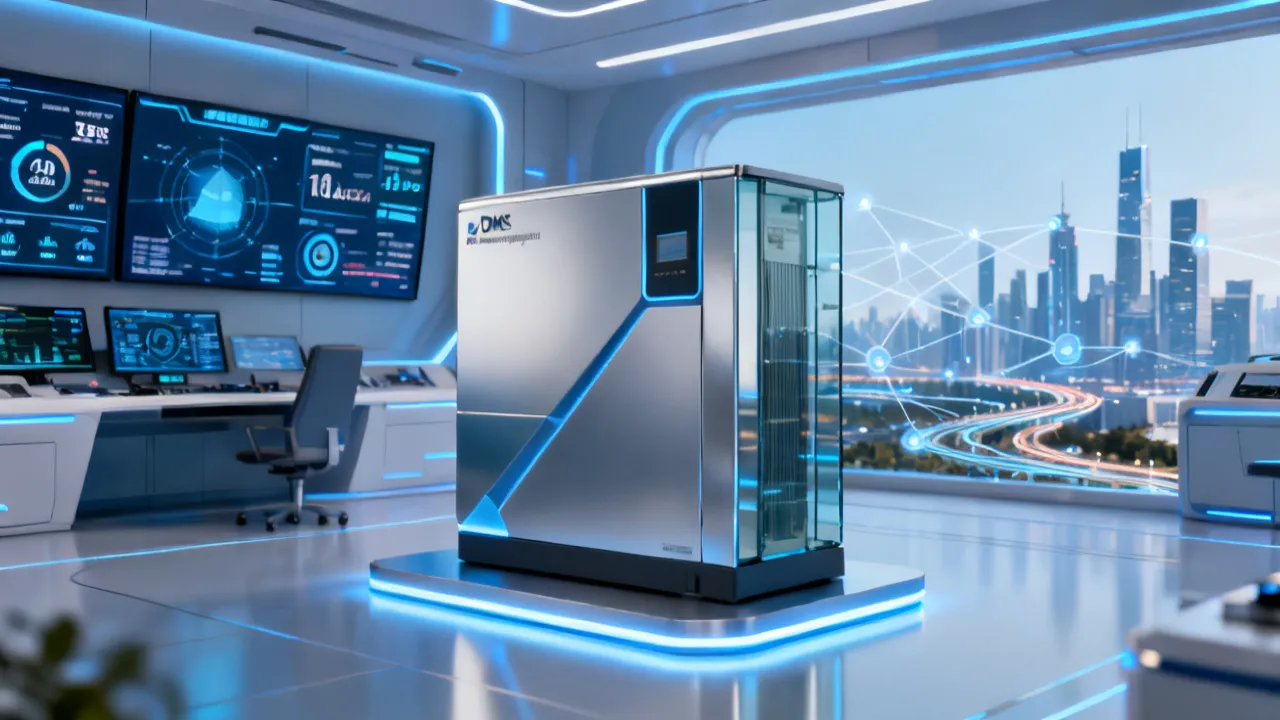
Introduction to Controller BMS
In the age of rapidly evolving energy systems, the role of Battery Management Systems (BMS), particularly Controller BMS, is undeniably crucial. These systems ensure battery safety, efficiency, and longevity — aspects critical to both consumers and industries relying on energy storage solutions. But what exactly is a Controller BMS, and why has it become a buzzword in technological circles today? As we delve deeper into this topic, we’ll explore the extensive functionalities, benefits, challenges, and future prospects associated with Controller BMS, providing a comprehensive view of its pivotal role in modern technology.
What is a Controller BMS?
A Controller Battery Management System (BMS) is an electronic regulatory device that monitors, evaluates, manages, and balances the charging and discharging of rechargeable batteries. Typically found in complex multi-cell battery packs such as those in electric vehicles (EVs) or grid-connected energy storage systems, a Controller BMS ensures that batteries operate within safe limits. By doing so, it maximizes battery lifespan, maintains optimal performance, and ensures safety, all of which are non-negotiable in high-demand environments. Additionally, the Controller BMS assists in communication between batteries and external systems, facilitating integration within larger energy frameworks. In essence, it acts as a bridge, enabling efficient use of voltage and current to optimize battery health.
Core Components of a Controller BMS
Understanding the key components of a Controller BMS provides insight into its multifaceted operations:
- Microcontroller: The brain of the system, interpreting data and controlling actions based on readings. Often equipped with various algorithms to optimize performance and ensure safety, the microcontroller determines how voltage, temperature, and current readings influence battery behavior.
- Voltage Sensors: These ensure that each cell in a battery pack operates within specified voltage limits to prevent overcharging or deep discharging. This is particularly important for lithium-ion batteries where the slightest deviation from voltage ranges can lead to thermal runaway or battery degradation.
- Temperature Sensors: Essential for monitoring heat, as excessive temperatures can substantially shorten battery lifespan. These sensors are vital in climate-controlled enclosures, where temperature fluctuations could jeopardize performance. Efficient thermal management directly correlates to effective battery life and operational efficiency.
- Current Sensors: They track how much current flows in and out of the battery, managing the state of charge accurately. Precise current measurements allow the BMS to calculate remaining time until depletion and may trigger alerts if abnormal patterns are detected.
- Communication Interfaces: These allow the BMS to communicate with other systems, such as a vehicle’s engine control unit or a smart grid. Protocols such as CAN (Controller Area Network), RS-232, or proprietary interfaces can be employed, enabling seamless data exchange and centralized control over energy management.
Importance of Controller BMS in Modern Technology
The popularity of Controller BMS is tied to its ability to address several modern technology needs. Here’s how a Controller BMS makes a difference:
- Enhanced Safety: Prevents battery damage by actively monitoring and managing critical parameters. This is particularly crucial in high-capacity systems where failures can result in hazards such as fires or explosions.
- Extended Battery Life: Optimal charging and discharging ensure longer battery lifespan. By maintaining a healthy charge cycle, the BMS can help prevent wear and tear on battery components, thereby extending usable life significantly.
- Efficiency Boost: Balances battery use, reducing the need for replacements and minimizing waste. An effective BMS can enhance the charge-discharge cycles' efficiency, leading to better overall performance in applications such as renewable energy storage or electric vehicles.
- Performance Optimization: Real-time monitoring allows for immediate adjustments, ensuring batteries perform at their top. The BMS can actively adjust parameters in response to changing conditions, such as fluctuations in temperature or load demands.
- Data Analytics: The increasing integration of IoT technologies allows BMS to collect data over time for analytic purposes. This data can be invaluable for predictive maintenance, performance analysis, and future design improvements, ultimately driving innovation in battery technology.
The Role of Controller BMS in Electric Vehicles
For electric vehicles, the Controller BMS serves as the linchpin of energy management. EV batteries are complex, consisting of numerous cells that must be managed to optimize range and lifespan. Here, the Controller BMS executes several critical functions:
- Cell Balancing: Ensures that no individual cell is overused, which helps in maintaining overall health. Active or passive balancing techniques can be employed, depending on the sophistication of the BMS, to ensure uniform usage across all cells.
- State of Charge Estimation: Provides accurate readings of remaining battery life, crucial for range anxiety mitigation. This estimation is achieved through complex algorithms that interpret voltage readings and discharge patterns, enabling users to make informed decisions about charging and usage.
- Thermal Management: Prevents overheating, a critical safety concern for high-capacity battery packs. With integrated cooling systems or thermal insulation protocols, the Controller BMS can manage heat distribution efficiently and maintain optimal operating conditions.
- Fault Detection: Monitors for irregular patterns that may indicate battery faults or failures. Early detection allows for timely intervention and preventative measures, thus avoiding potential liabilities and enhancing overall operational safety.
- Charging Control: Optimizes the charging process by adjusting voltage and current levels to suit battery conditions. Fast charging capabilities can be safely managed with an advanced BMS that modulates input according to real-time assessments of battery health.
BMS in the Energy Storage Sector
Beyond vehicles, the Controller BMS has transformative applications in the energy storage industry, which relies on large battery systems to store energy generated from renewable sources like wind or solar. These BMS systems provide a real-time picture of battery health, predict maintenance needs, and integrate with smart grid technologies for efficient power distribution. Followingly, we explore different aspects of this integration:
- Renewable Energy Integration: As more households and businesses adopt solar power, a sophisticated BMS is essential for managing solar energy storage systems, enabling optimal energy utilization and preventing overloads on the grid.
- Demand Response Management: Smart BMS can participate in demand response programs whereby they manage battery charge and discharge cycles based on grid demands, helping stabilize the electricity supply while maximizing operational efficiency.
- Grid Stability: In large-scale applications, such as utility-scale battery installations, a Controller BMS plays a critical role in ensuring that energy storage systems are responsive and capable of providing grid support during peak demands or outages.
- Analytics and Forecasting: Data collected from energy storage BMS can provide predictive insights that aid in forecasting energy needs, optimizing usage, and enhancing the operational efficiency of energy management systems.
Comparison Table: BMS Variants
Below is a comparison showcasing various BMS types and their functionalities:
| Type of BMS | Primary Function | Application |
|---|---|---|
| Basic BMS | Monitors voltage and current | Small-scale electronics, simple battery packs |
| Advanced BMS | Includes temperature & balance control | Electric vehicles, smart devices, and more complex applications |
| Controller BMS | Comprehensive monitoring & optimization of all battery parameters | Large-scale energy systems, electric vehicles, renewable energy storage |
Challenges and Future Prospects
Despite their many advantages, Controller BMS systems face several challenges that need addressing to maximize their potential:
- Integration Complexity: Adapting a Controller BMS to various applications can be complex, and solutions must often be custom-tailored to fit specific operational requirements, which may incur additional costs and time.
- Cost of Implementation: High-quality BMS solutions can be expensive, which may deter smaller enterprises or applications with budget constraints from opting for the latest technologies.
- Data Security: As Controller BMS increasingly integrates with IoT devices, the need for strong cybersecurity measures becomes paramount to prevent unauthorized access and data breaches.
- Battery Technology Evolution: Rapid evolution in battery technologies such as solid-state batteries may require BMS manufacturers to continuously adapt their systems, leading to obsolescence concerns.
- Demand for Customization: Different applications may carry unique requirements, thus necessitating extensive research and design efforts to develop BMS solutions that meet diverse operational needs.
However, advancements in AI and machine learning are paving the way for smarter BMS solutions that predict potential issues before they arise. These systems are being designed to think independently based on incoming data, leading to proactive measures before problems escalate. As these technologies develop, we can expect to see improved algorithms enabling more adaptive and fluid management that can evolve alongside battery technologies.
FAQs
- How does a Controller BMS differ from other battery management systems?
Unlike basic versions, a Controller BMS offers comprehensive monitoring, extensive safety mechanisms, and interfaces for wider system integrations. These additional features allow it to manage complex systems with significantly higher efficiency and safety.
- Can a Controller BMS be integrated into existing systems?
Yes, but it often requires system customization to align with existing infrastructure and demands. Depending on the existing technological framework, it may necessitate significant design adaptability on the part of the BMS provider.
- What is the biggest industry adopting Controller BMS?
Electric vehicles are the primary adopters, but energy storage systems are rapidly catching up due to the increase in renewable energy solutions. Further applications are being explored in fields like telecommunications, medical devices, and unmanned aerial vehicles (UAVs).
- How do emerging technologies impact Controller BMS?
Emerging technologies such as machine learning and blockchain are enhancing the capabilities of BMS by improving analytics, increasing operational efficiency, and enabling better communication with other systems to prevent failures.
- What types of batteries are compatible with Controller BMS?
While primarily used with lithium-ion batteries, Controller BMS can also be adapted for other battery types such as lead-acid, nickel-metal hydride, and solid-state batteries, although additional considerations may be necessary for optimal performance.
Conclusion
The Controller BMS represents a significant leap forward in energy system management, promising enhanced safety, efficiency, and reliability. As industries continue to innovate and integrate more renewable energies into their operations, the demand and sophistication of Controller BMS will inevitably grow, making them not just a luxury, but a necessity. With ongoing developments in battery technology and renewable energy applications, the evolution of Controller BMS will play a vital role in shaping the future of energy consumption and sustainability, addressing current limitations and preparing for advancements we have yet to explore.
In addition to their technological prowess, Controller BMS will increasingly become essential in meeting regulatory standards regarding safety and performance. As the push for cleaner energy sources accelerates, the BMS is not just a functional component — it represents a cornerstone of evolving energy landscapes, empowering consumers and businesses alike to optimize their energy usage while contributing positively to environmental stewardship. By embracing and investing in Controller BMS technology, organizations can ensure a robust, efficient, and sustainable approach to energy management for the future.