
Understanding Controller BMS Systems
This guide delves into the intricacies of the Controller BMS, a pivotal component in modern energy storage solutions. Battery Management Systems (BMS) are critical in managing the performance, reliability, and safety of batteries, particularly in electric vehicles and backup power systems. As the demand for renewable energy solutions grows, understanding the operation and benefits of an effective Controller BMS becomes increasingly essential.
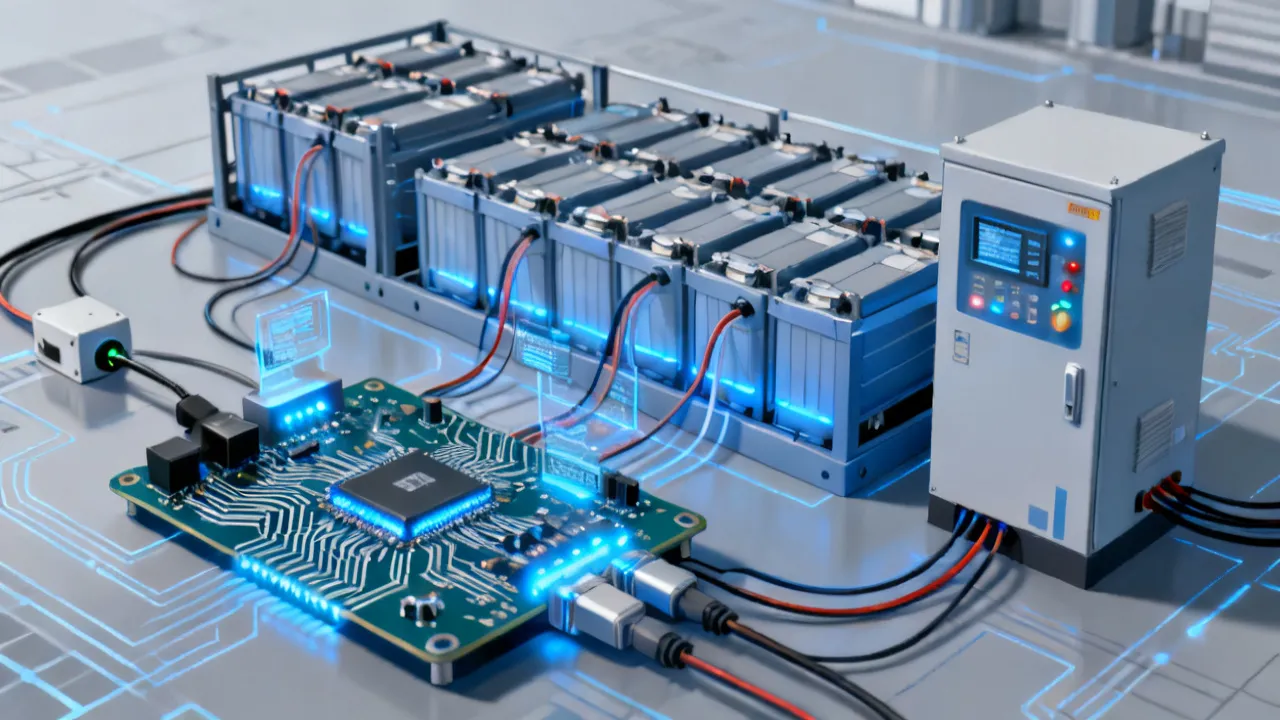
Introduction to Controller BMS Systems
As electrical energy storage becomes a cornerstone of technological development, the role of the Controller Battery Management System (BMS) cannot be overstated. Integral in optimizing the efficiency and safety of lithium-ion batteries, these systems govern everything from electric vehicles to solar power storage units. In an era where energy independence and sustainability are at the forefront of societal needs, understanding how Controller BMS systems function and their significance is vital for both businesses and consumers alike.
The Role of Controller BMS
At its core, a Controller BMS is engineered to monitor and control various parameters within a battery pack. This includes regulating temperature, voltage, and current to ensure batteries operate within safe conditions. The system continuously evaluates the state of health (SOH) and state of charge (SOC) to prevent overcharging and deep discharging, thus prolonging battery life. Additionally, a well-designed BMS offers an interface for users or operators, enabling them to gain insights into battery performance and health through user-friendly dashboards and alerts.
Key Features of Modern Controller BMS
- Monitoring Capabilities: Real-time data monitoring ensures early detection of potential issues, enhancing overall safety and operational efficiency. Systems can now provide detailed reports on temperature variance and voltage fluctuations, allowing for proactive measures to be implemented before significant damage occurs.
- Balancing Functions: By equalizing the charge across battery cells, Controller BMS systems prevent individual cells from aging prematurely. This balancing act is crucial to ensure that weaker cells do not drag down the performance of the entire battery pack, thereby maximizing the lifespan and efficiency of the overall unit.
- Communication Interfaces: Advanced Controller BMS have integrated communication systems that connect to external devices, enabling remote diagnostics and management. With protocols like CAN (Controller Area Network) and RS-485, these systems can share valuable data with controllers and other devices, facilitating smarter decision-making.
- Safety Features: Safety mechanisms are embedded to detect various anomalies such as short circuits, over-temperature events, and over-voltage conditions. Such features ensure that if a potentially dangerous situation is detected, the system can take immediate action, such as shutting down or isolating certain cells to prevent catastrophic failures.
- Data Logging: The ability of a Controller BMS to log historical performance data is essential for identifying patterns and understanding battery performance over time. This capability allows manufacturers and users to make informed decisions based on performance analytics.
Industry Applications
The flexibility of Controller BMS allows for a wide range of applications. In the automotive sector, these systems enable electric vehicles (EVs) to achieve longer ranges and faster charge times, pushing the boundaries of what is possible with electric mobility. Notably, advancements in BMS technology have been pivotal in improving battery density and efficiency, making EVs more accessible to the general public.
Additionally, in renewable energy installations, Controller BMS assures the reliable storage and conversion of solar and wind energy. As renewable energy continues to grow, BMS systems play a crucial role in managing energy flow, ensuring that energy harvested from natural sources is effectively stored for later use. Whether it’s in commercial energy systems or individual residential setups, the ability of a BMS to handle fluctuations in energy production and demand is invaluable.
Beyond vehicles and renewable installations, BMS systems find applications in numerous domains, including portable electronics, uninterruptible power supplies (UPS), and grid storage solutions. Each application necessitates specific BMS features tailored to the operational environment and user requirements, showcasing the versatility of BMS technology in modern society.
Comparative Analysis of Popular Controller BMS Brands
| Brand | Key Features |
|---|---|
| Brand A | High-precision monitoring, modular design, scalable up to 1000V systems. Their focus on modularity allows for a range of applications from small batteries to large-scale energy storage systems. |
| Brand B | Advanced imbalance detection, robust communication protocols compatible with IoT devices. This brand emphasizes connectivity, making it ideal for smart home integration. |
| Brand C | Efficient thermal management, suitable for cold climate operations. This brand stands out by providing solutions that ensure performance consistency in extreme temperatures. |
| Brand D | Integrated AI algorithms for predictive diagnostics, enhancing maintenance schedules and performance predictions for large fleet operations. |
Emerging Trends in Battery Management Systems
The evolution of Controller BMS technology is guided by pressing demands for efficiency and sustainability. As industries strive towards greener solutions, the development of ultra-fast charging solutions has become a focal point. By minimizing the time batteries spend charging without compromising safety or health, these solutions encourage the wider adoption of electric vehicles and renewable energy systems.
Moreover, integrating Artificial Intelligence (AI) into BMS is becoming increasingly common. AI aids in predictive maintenance, allowing systems to analyze data and foresee potential failures before they occur. This not only reduces the cost associated with unexpected downtime but also extends the service life of battery systems through more accurate usage insights and real-time adjustments.
Advancing IoT connectivity for enhanced control and data management forms another cornerstone of current BMS development. With the proliferation of smart devices, having BMS systems that can interface and operate seamlessly with IoT frameworks allows users to monitor and manage energy systems efficiently from anywhere in the world. Such advancements provide increasing transparency into battery performance and enable remote troubleshooting, which is crucial for large scale deployments.
Additionally, there is a growing emphasis on safety and regulatory compliance as governments continue to push for stricter regulations regarding battery usage and waste management. Manufacturers are now tasked with not only ensuring that their BMS systems comply with current regulations but also anticipate future requirements as the technology and its applications continue to evolve.
In the realm of sustainable solutions, the push for recycling and second-life applications for battery systems is gaining traction. Many manufacturers are exploring ways to reconfigure old batteries for secondary uses, such as grid storage or backup power solutions, reducing waste and maximizing the utility of existing resources. This trend exemplifies a shift from a linear economy to a circular economy in battery technology.
FAQs
Q: Why is a Controller BMS important for electric vehicles?
A: Controller BMS ensures the longevity of battery life by monitoring individual cell performance and maintaining optimal operating conditions, crucial for maximizing range and efficiency in electric vehicles. Moreover, as battery packs become more complex with more cells, the importance of a robust BMS for individual cell monitoring becomes even more vital.
Q: Can Controller BMS be used for home solar power systems?
A: Yes, they are essential for managing the battery storage in home solar systems, ensuring energy is stored and used efficiently. They also help in managing grid interactions, allowing homeowners to sell excess energy back to the grid, thereby enhancing the economic aspect of residential solar power usage.
Q: Are there specific requirements for installing a Controller BMS?
A: Requirements can vary depending on the system's size and intended application, but generally include compatibility with battery type, desired voltage capacity, and communication protocol integration. Additionally, proper installation practices must be followed to ensure safety and efficiency, which might involve specialized training for personnel installing the systems.
Q: What is the future outlook for Controller BMS technology?
A: The future promises improved integration with renewable energy sources and smarter grids, leveraging advanced analytics and machine learning to further optimize performance and sustainability. The emphasis will not only be on how effectively the batteries perform, but also on how they communicate and interact with other components of the energy ecosystem.
The rapid growth of Controller BMS technology and their adoption across various sectors indicate that they are becoming indispensable tools in the quest for energy efficiency and sustainability. As industries continue to innovate around energy solutions, the Controller BMS remains at the forefront, providing critical functions and enhancing efficiency. Whether used in electric vehicles, renewable energy frameworks, or other storage solutions, these systems ensure power is managed safely, effectively, and sustainably. Their development will continue to play a pivotal role in shaping the future of energy consumption and storage worldwide.