Navigating Government Phone Assistance
This article offers an in-depth guide on accessing government phone assistance programs. These initiatives provide eligible individuals with affordable mobile services as part of efforts to support communication needs. The guide delves into the eligibility criteria, application processes, and additional offerings of various providers within these programs, aiming to assist low-income households in staying connected.
Understanding Government Phone Assistance Programs
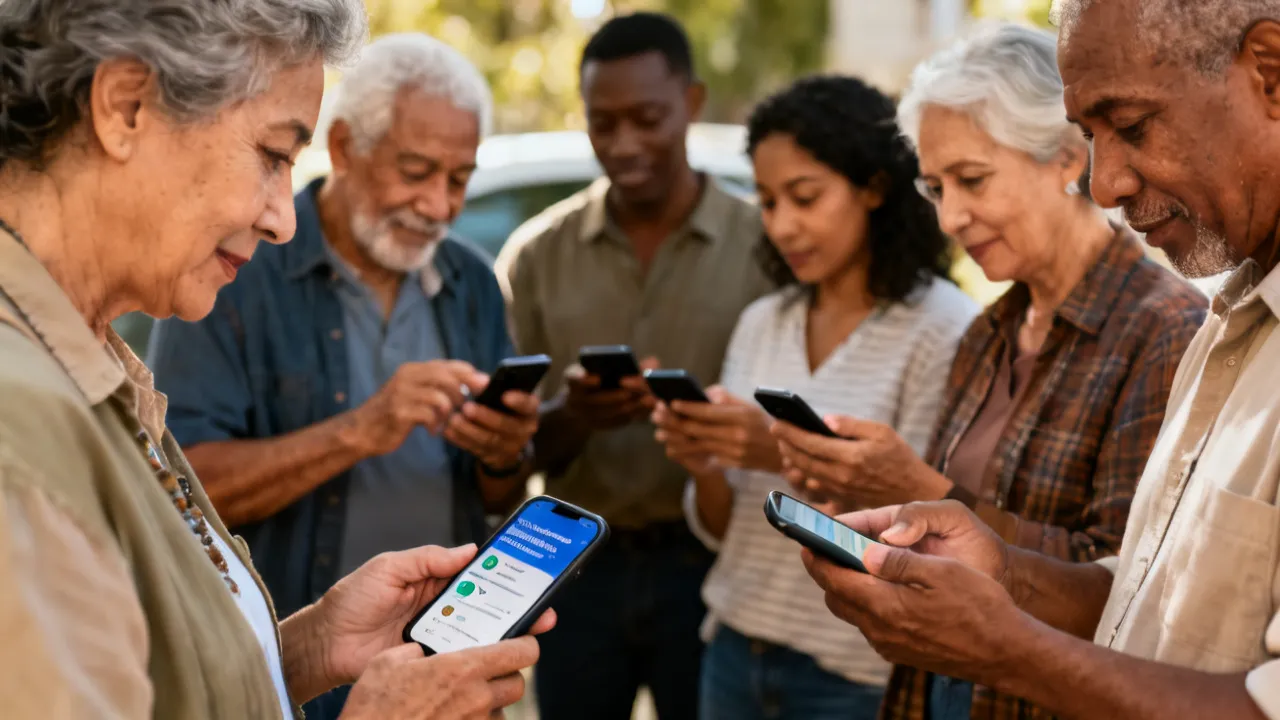
In today's interconnected world, having access to a mobile phone is no longer a luxury but a necessity. Recognizing this need, government phone assistance programs have been established to support individuals and families with lower incomes in accessing crucial communication services. These programs, funded by government initiatives, enable eligible members of the community to acquire mobile services at minimal or low prices. The importance of these initiatives has grown exponentially, especially in the wake of increased reliance on technology for basic communication, access to services, education, and job opportunities.
Government phone assistance programs not only provide devices but also serve as a gateway for low-income individuals to engage with the modern digital ecosystem. They facilitate social connections, emergency communication, and access to essential services such as healthcare, education, and employment resources. Therefore, understanding these programs is crucial for those who may benefit from the services offered.
How Government Phone Assistance Works
The aim of these programs is to ensure that all persons, regardless of their financial standing, have the ability to stay connected with loved ones, access emergency services, and participate in economic activities. This is achieved by providing phones and data services to qualifying low-income participants, often through collaborations with various telecommunications providers. The initiative operates primarily under the Lifeline program and the Affordable Connectivity Program (ACP), which aim to reduce the financial burden on scheduled payments for mobile services and internet access.
The Lifeline program, initiated in the 1980s, has evolved over the years to adapt to the changing landscape of telecommunications. In its original form, Lifeline provided discounts on traditional landline services but has since expanded to include mobile phone services, thus accommodating the massive shift toward mobile communication. Similarly, the ACP was introduced to offer additional support amidst the COVID-19 pandemic, recognizing the increasing necessity of internet access for remote learning and telework.
A Closer Look at the Lifeline and ACP Programs
Both the Lifeline program and the ACP have specific mechanisms in place to verify eligibility and provide benefits to those who qualify. In the case of the Lifeline program, eligible participants are entitled to receive a monthly discount on their phone service, which can be applied to either a mobile or landline plan. The discount varies depending on the type of service and the provider but generally falls in the range of $9.25 for most participants and $34.25 for those residing on Tribal lands.
On the other hand, the Affordable Connectivity Program was designed to tackle the challenges presented by the digital divide, especially noticeable during the pandemic. It offers eligible households a discount of up to $30 per month for internet service and up to $75 for households on Tribal lands. This program has also provided a one-time discount of up to $100 for the purchase of a laptop, desktop computer, or tablet.
Comparison of Government Phone Assistance Providers
There are several major providers involved in delivering government phone assistance services. These include SafeLink Wireless, Assurance Wireless, StandUp Wireless, Access Wireless, and True Wireless, among others. Each provider offers unique plans and services designed to meet the needs of different user demographics. Here's a brief comparison:
| Provider | Services Offered | Additional Costs |
|---|---|---|
| SafeLink Wireless | Affordable smartphone or BYOD options, unlimited text, calls, and data varies by state | Premium device upgrades and extra data |
| Assurance Wireless | Affordable Android smartphone, unlimited talk and text, and data | High-speed data and international calling |
| StandUp Wireless | Affordable smartphone or BYOD, unlimited talk and text, and data | Upgraded phones and extra data |
| Access Wireless | Unlimited voice, text, and limited high-speed data with Lifeline and ACP | Data boosts and device upgrades |
| True Wireless | Government-supported phones, voice, and data plans | Device upgrades and additional data plans |
Each provider has carved out a niche within the government phone assistance landscape, catering to different users, from heavy data users to individuals requiring a more basic communication plan. Their services and coverage can vary significantly, making it essential for potential applicants to review what each has to offer before making a choice. Consumers are encouraged to assess their own communication needs and preferences critically. For instance, some users may prioritize the availability of data for internet access, while others may place more value on unlimited talk and text capabilities.
Source:
Eligibility Criteria for Government Phone Assistance
To qualify for a government-assisted phone, individuals must meet specific conditions, usually tied to income levels or participation in other federal assistance programs. Eligibility requirements generally include:
- Household income at or below 135% of the federal poverty line for Lifeline or 200% for the Affordable Connectivity Program (ACP). In many cases, this involves submitting proof of income, which can include pay stubs, tax returns, or other financial documentation.
- Participation in established assistance programs like Medicaid, Supplemental Nutrition Assistance Program (SNAP), Supplemental Security Income (SSI), or Federal Public Housing Assistance (FPHA). These programs help designate participants as having a legitimate and recognized financial need.
- Special considerations for residents living on Tribal lands, who may receive additional benefits due to the higher living costs and recognized eligibility in the form of additional discounts or benefits.
Application Process for a Government Phone
Applying for a government phone is generally straightforward. Interested individuals can apply online through each provider's website or by utilizing the Lifeline National Verifier. The process involves filling out an application and providing necessary documentation to prove eligibility, such as income statements or proof of participation in qualifying programs. Here’s a quick guide to the application steps:
- Visit the service provider's website, where detailed information about their specific offerings and application process is outlined.
- Complete the online application form, which typically asks for personal information such as name, address, date of birth, and information regarding eligibility.
- Upload supporting documentation to verify your eligibility. This might include recent pay stubs, tax documents, or proof of membership in an assistance program.
- Submit the application and await approval, which usually takes a few days to a few weeks, depending on the volume of applications and the provider’s processing capabilities.
FAQs on Government Phone Assistance
- Q: Can anyone apply for a government phone?
A: Eligibility is determined by income and participation in certain government programs, so not everyone will qualify. - Q: What types of phones are offered?
A: Providers typically offer basic smartphones or models tailored for low-income users, although options to bring your own device or upgrade are available for an additional cost. - Q: How long does it take to receive a phone?
A: Approval times vary, but typically applicants can expect to receive their phone or service activation within a few weeks of application approval. In some cases, users may receive temporary activation through an app or web-based service until the physical device arrives. - Q: Is there a limit on how long I can receive government phone assistance?
A: Generally, assistance continues as long as you remain eligible. However, participants must periodically re-certify their eligibility, which typically occurs annually. - Q: Are there coverage limitations with these plans?
A: Coverage varies by provider and location. While major carriers often provide extensive coverage, rural areas might experience limited service, impacting reliability and quality.
Challenges and Benefits of Government Phone Assistance Programs
While government phone assistance programs are designed to help those in need, there are challenges and benefits associated with them that potential users should understand. Key benefits of these initiatives include:
- Improved Connectivity: Government phone assistance programs allow individuals to stay connected for purposes of work, education, and personal relationships, which is increasingly critical in our fast-paced digital world.
- Access to Emergency Services: Without reliable communication, accessing emergency services becomes challenging. Having a phone ensures individuals can call for help or contact loved ones in case of an emergency.
- Bridging the Digital Divide: Such programs help close the gap for low-income families, enabling better access to online resources, applications, and educational materials.
However, there are also challenges associated with these programs. Some of the noteworthy concerns include:
- Limited Options: Available phone models and service plans might not meet everyone's needs. Users may find that their plan lacks certain features or amounts to a limited service compared to paid plans.
- Application Burdens: Though the application process is designed to be simple, gathering and providing necessary documentation can be challenging for some individuals, especially those facing employment instability or other life challenges.
- Awareness and Misunderstandings: Many eligible individuals may not be aware of these programs, or they might have misconceptions that deter them from applying. Education about these services is essential to maximize outreach and benefits.
Conclusion
Government phone assistance is an essential program for ensuring all individuals have access to necessary communication tools. With multiple providers offering a variety of plans, eligible individuals can choose the top service to meet their needs while maintaining financial stability. By understanding the application process and requirements, applicants can maximize their chances of successfully obtaining assistance. Benefiting from improved connectivity and accessibility, individuals are better equipped to navigate social services, job searches, and essential communications in today's technology-driven society.
Future Outlook for Government Phone Assistance Programs
Looking ahead, government phone assistance programs continue to evolve alongside emerging technologies and communication needs. As the government recognizes the need for digital inclusion, further reforms and expansions in these programs may be on the horizon. Enhanced broadband access, for instance, is becoming increasingly vital. Therefore, there is a push to not only provide mobile devices but also to integrate broadband access into government assistance packages.
Moreover, as education becomes more digitized, having robust internet connectivity in addition to mobile communications is a pressing need for many low-income families. Future adaptations could expand beyond just smartphones, incorporating educational tools such as tablets or laptops with internet service provisions attached to the assistance programs.
The continuous dialogue surrounding the digital divide in society emphasizes the importance of these assistance programs. As policies adapt and technologies advance, the long-term goal remains to bridge this divide and create opportunities for all individuals, regardless of socio-economic status. Ensuring widespread access to reliable communication and internet services is one critical step in achieving a more equitable society for everyone.
Disclaimer
The information provided above is sourced from online resources as of October 2023. This article does not guarantee eligibility or program acceptance. Readers are advised to consult official provider websites for the most accurate and up-to-date information regarding application processes and eligibility criteria. This content will not be updated in real-time.
References: