
Understanding the T4l Rollout
The T4l rollout represents a significant advancement in technology integration, reshaping the landscape of modern innovation. This article explores its implications, timeline, and potential impacts on a global scale by examining industry insights and strategic plans. We delve deep into the world of T4l, illustrating how it promises to redefine technological progress and implementation.
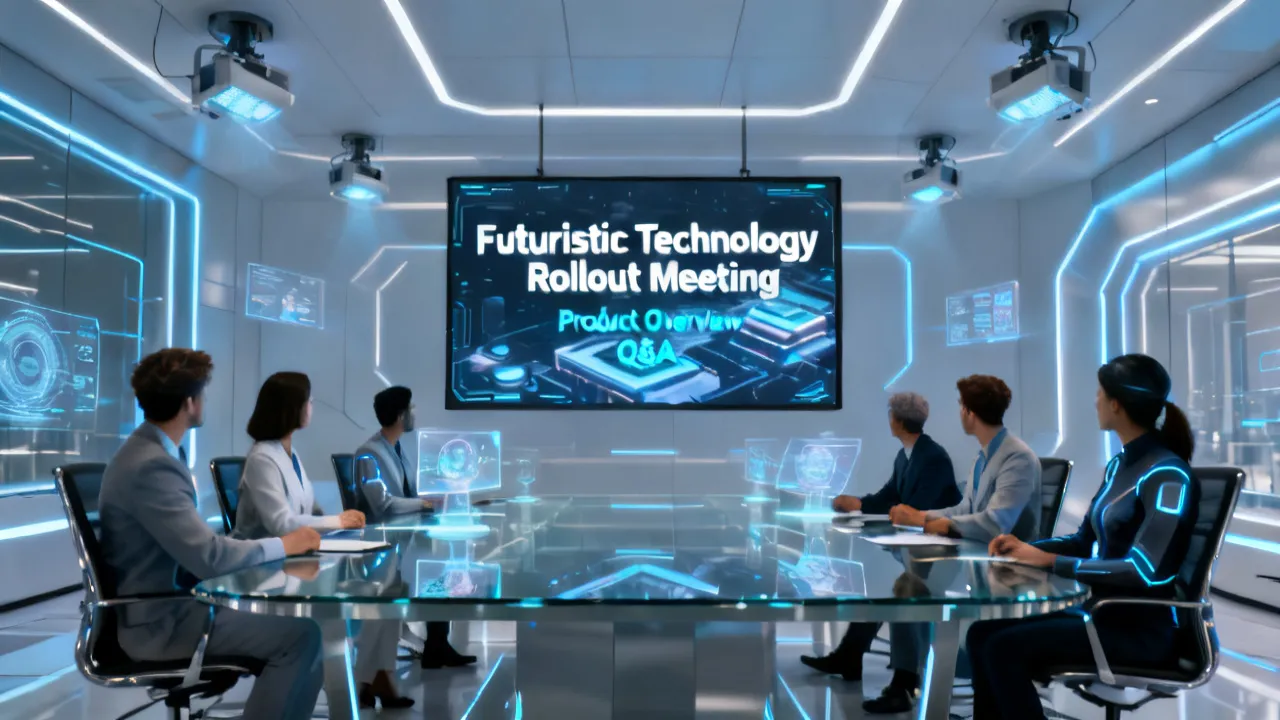
The Significance of the T4l Rollout
The T4l rollout is more than just an advancement; it is a technological evolution set to redefine the industry standards. The rollout aims to integrate state-of-the-art solutions across various sectors, enhancing efficiency and productivity. As industries pivot towards digital transformation, T4l serves as a cornerstone in this transition, promising to offer unprecedented capabilities and functionality. One of the most notable aspects of T4l is its commitment to sustainability, something that more enterprises are starting to prioritize. By streamlining processes and reducing resource waste, T4l not only boosts productivity but also aligns with global sustainability goals.
Understanding T4l: What It Means for the Industry
At its core, the T4l rollout introduces a framework that enables seamless integration of cutting-edge technologies. According to recent reports, industries are set to see a 30% boost in efficiency, particularly within the manufacturing and logistics fields. This is attributed to T4l’s advanced algorithms that optimize processes and reduce downtime. The deployment involves a multi-tier approach, focusing on core components such as data analytics, machine learning, and Internet of Things (IoT) enhancements. For instance, in manufacturing, T4l can integrate predictive maintenance systems that forecast equipment failures before they occur, thereby saving costs related to unplanned downtime.
Moreover, beyond mere efficiency improvements, T4l addresses critical issues like scalability. As businesses grow, their operations often become more complex, making it essential for systems to be able to scale. The intelligent infrastructure of T4l accommodates growth without necessitating a complete overhaul of existing systems. This means that small and medium enterprises (SMEs) can adopt T4l solutions without the fear of outpacing their technological capabilities. The ease of integration also allows these smaller players to compete more effectively against larger corporations, democratizing access to high-level technology.
Impact Timeline and Key Milestones
The T4l rollout will be phased over several years, with significant milestones marking its progress. Initially scheduled for the second quarter, the first phase will introduce basic components to select pilot industries. These early adopters are expected to spearhead the move towards smart implementation by demonstrating early successes and providing essential feedback for system refinement.
Phase two of the rollout will expand to service sectors where customer interactions and experiences are key focal points. By introducing real-time data processing and predictive analytics, service-oriented businesses can expect to enhance customer satisfaction and streamline operations. An example can be seen in retail, where T4l can create personalized shopping experiences based on customer data, thereby driving sales and improving customer loyalty.
The final phase, anticipated by the end of year three, will pursue full-scale integration, marrying traditional methods with modern technology for a holistic improvement strategy. During this phase, T4l’s ecosystem can intertwine with legacy systems, allowing businesses to transition smoothly and reduce the associated risks of adopting entirely new systems.
Strategic Implementation: A Step-by-Step Guide
The strategic blueprint for T4l involves several steps pivotal for its success:
- Assessment and Planning: Initial assessments will identify potential industries and sectors where T4l can deliver maximum impact. Engaging stakeholders at this early stage is essential to garner support and ensure that identified needs are genuinely addressed.
- Infrastructure Enhancement: Bolstering infrastructure to accommodate new technologies is paramount. This includes upgrading existing systems and ensuring compatibility. In some cases, this may involve investing in new hardware or cloud-based solutions that can support advanced analytics and data processing.
- Training and Development: Providing thorough training to personnel to handle new systems efficiently will be critical. Workshops and ongoing development programs will support this transition, ensuring that employees not only understand how to use T4l tools but also how to leverage them for business transformation.
- Feedback and Iterative Improvement: Continuous feedback from end-users and stakeholders will drive iterative improvements, fine-tuning the rollout process. Creating channels for open communication allows everyone from management to shop floor employees to voice their experiences and suggestions.
- Monitoring and Evaluation: Establishing key performance indicators (KPIs) will enable organizations to measure the success of the T4l implementation. Regular reviews of these metrics will help in assessing whether expected benefits are being realized and will allow for quick adjustments to the deployment strategy if necessary.
Potential Challenges and Solutions
Implementing T4l will face challenges such as resistance to change, cybersecurity threats, and initial high costs. Addressing these requires a focus on change management strategies, robust security protocols, and demonstrating the cost-benefit analysis over time to justify initial investments. One effective approach to mitigate resistance is to involve employees in the transition process actively. Keeping staff informed through regular updates and involving them in pilot projects fosters a sense of ownership and reduces fears related to new technologies.
Cybersecurity remains a paramount concern, especially as T4l incorporates more connected devices and systems. The rollout plan should include stringent cybersecurity measures, such as end-to-end encryption, regular audits, and adopting best practices for data protection. The increasing prevalence of remote work arrangements now makes it crucial to address security vulnerabilities associated with distributed networks.
Finally, calculating and communicating the long-term returns on investment (ROI) associated with T4l will help alleviate concerns regarding upfront costs. By showcasing successful case studies from pilot programs, organizations can help stakeholders visualize potential gains, build confidence in the initiative, and encourage buy-in across all organizational levels.
Future Prospects and Global Influence
As T4l reaches global saturation, it is expected to significantly influence other technological domains, catalyzing new advancements and innovations. The synergy between AI technologies and human-centric design promises to open new frontiers in tech-driven solutions. As many industries increasingly adopt T4l, the competitive landscape will shift. Companies that embrace T4l earlier may gain substantial advantages in areas such as cost efficiency, customer acquisition, and market share. This could lead to a new era of competition characterized by agility and rapid innovation.
Moreover, T4l could play a pivotal role in shaping future workforce dynamics. With automation becoming more seamless, employees will have opportunities to transition to more strategic roles, focusing on creativity, problem-solving, and data-driven decision-making rather than routine tasks. This perspective shift fosters workplace culture centered on innovation and agility, aligning workforce capabilities with the future requirements of industries.
Geographically, the impact of T4l will also vary significantly. Developing nations may leverage T4l to leapfrog traditional infrastructures, adopting modern technologies without the burden of legacy systems. This capability can potentially enhance economic development and draw foreign investments, as companies seek opportunities in regions with high technological adaptability.
| Phase | Description |
|---|---|
| Phase 1 | Pilot rollout in select industries focusing on core component testing and user feedback. Here, companies will have the chance to test T4l in controlled environments, building confidence for broader implementation. |
| Phase 2 | Expansion to service sectors to improve real-time analytical applications and customer-centric enhancements. Successful integration will allow industries to provide real-time responses to market changes and customer inquiries. |
| Phase 3 | Full-scale integration across all sectors to harmonize traditional methods with modern technology fully. Organizations will be expected to report on their outcomes in terms of productivity, employee satisfaction, and customer loyalty. |
FAQs
What is T4l?
T4l represents a comprehensive rollout of advanced technologies designed to enhance efficiency and effectiveness across various industries. It focuses on merging traditional practices with modern solutions to create innovative and responsive systems.
Why is T4l important?
The rollout is crucial for industries aiming to remain competitive in a rapidly evolving technological landscape, offering solutions that improve operational performance. As businesses navigate challenges such as globalization and changing consumer behavior, T4l provides the necessary framework for adaptation and growth.
What are the main phases of the T4l rollout?
The rollout consists of three phases: pilot implementation, expansion to service sectors, and full-scale worldwide integration. Each phase is designed to build upon the previous one, ensuring a structured and strategic approach to implementation.
The T4l rollout is poised to be a transformative force in technology, one that promises significant enhancements in how industries function and innovate. Its success will depend on strategic implementation, continuous improvement, and widespread acceptance throughout global markets. As T4l evolves, its potential applications will likely expand, giving rise to new technologies that we cannot yet envision. Ultimately, T4l stands to redefine not only operational processes but also the relationship between humans and technology, ushering in an era of unprecedented collaboration and innovation.
Conclusion: A New Era of Technological Harmony
The T4l rollout represents a substantial leap forward in how technology can empower industries. Through its focus on efficiency, innovation, and user-centric design, T4l paves the way for businesses to evolve alongside technological advances rather than merely adapting to them. As phases of the rollout unfold, the foundational changes and integrations will likely yield significant benefits, not just for early adopters but for the entire global economy. Those who are agile and willing to embrace these technological advancements will lead the way into a future where technology and human intellect can coalesce to drive progress and growth.
As organizations witness the rollout’s effects, they will learn vital lessons about embracing change, fostering a culture of responsiveness, and continually seeking to improve. The investments made today in T4l will not just enhance operations but also set the stage for the innovations of tomorrow. In this evolving landscape, every organization must prepare to adapt and thrive, embracing the endless possibilities that T4l promises.