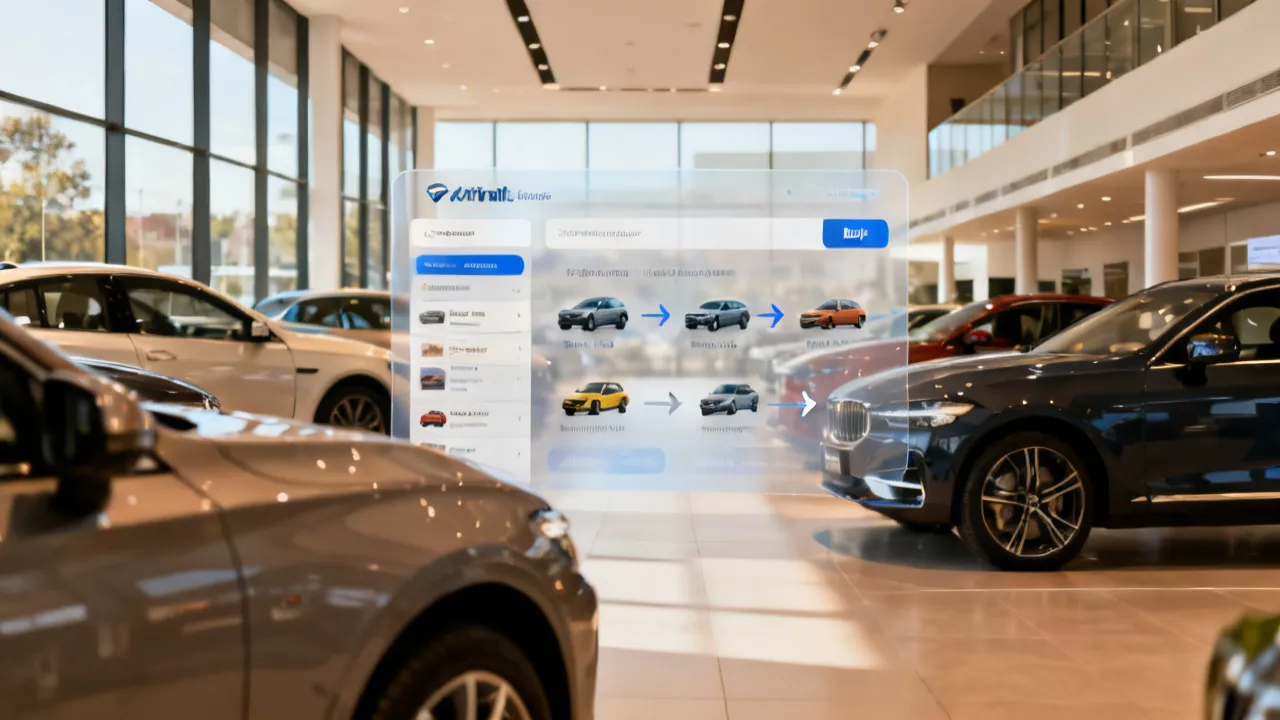
Navigating the Car Marketplace
This guide explores the intricacies of finding and purchasing a car within the bustling marketplace. Given the code "24.069 292 0001 87," the process of acquiring an affordable vehicle is addressed through various official trading websites. As the automobile industry's growth continues, potential buyers gain access to a wealth of resources that expand their purchasing options.

Understanding the Car Market
The automobile industry has experienced exponential growth over the last few decades, with platforms such as "24.069 292 0001 87" offering diverse options for potential buyers. As the landscape expands, understanding where and how to buy becomes paramount. This guide provides an overview of the online resources available for finding cost-effective car deals and outlines critical strategies for making informed purchasing decisions. Understanding the nuances of the car market can empower consumers, leading to more satisfying purchases and ultimately, a better ownership experience.
As technology continues to evolve, the way we interact with the automobile market has also changed dramatically. Gone are the days when buyers relied solely on dealerships for information about vehicles. Now, comprehensive databases and comparison tools are available at our fingertips, providing a plethora of choices for every budget and preference. This article will explore the key elements that contribute to a successful car-buying experience, touching on essential factors such as market trends, vehicle maintenance, and investment opportunities in the realm of automobiles.
The Evolution of the Car Buying Process
The car buying process has undergone significant changes over the years. Traditionally, the experience was confined to visiting multiple dealerships, test-driving various vehicles, and haggling over prices. However, with the advent of the internet and various car-buying platforms, consumers can now research and purchase cars online, providing more convenience and transparency in the process.
Online platforms now serve as a one-stop-shop for vehicle information, allowing buyers to browse through countless options without ever leaving their homes. Websites today enable you to filter searches based on stringent criteria such as year, mileage, type, and even color. Additionally, customer reviews and ratings provide invaluable insights into vehicle performance and customer satisfaction that traditional dealerships may not offer. Furthermore, many platforms now provide virtual tours and high-definition images of vehicles, enhancing the online shopping experience.
Strategies for Finding Affordable Cars
Purchasing a car involves various considerations, ranging from budget constraints to vehicle specifications. Prospective buyers should start by setting clear objectives, including price range, desired car models, and essential features. Utilizing the right platforms can simplify the search process and yield satisfactory results. Here, we introduce some of the most reputed car trading websites, each with unique offerings that cater to different buyer needs and preferences.
| Platform | Description | Advantages |
|---|---|---|
| Cars.com | Offers a comprehensive listing of new and used cars from various dealers. | Provides extensive filters for customizing searches by price, make, model, and location. |
| Carmax | A retailer known for its no-haggle prices and wide selection of pre-owned vehicles. | Guarantees quality with comprehensive inspection and certification processes. |
| Caronsale | Focuses on connecting buyers and sellers through auctions and direct sales. | Offers competitive prices and opportunities for negotiation. |
| Autotrader | An online marketplace that specializes in connecting buyers with sellers of new and used vehicles. | Allows users to filter searches based on criteria such as nearby dealerships and individual seller options. |
| TrueCar | Compares prices of cars for sale and provides transparency on what others paid for the same vehicle. | Helps buyers negotiate prices with certified dealers. |
For more information on these platforms, prospective buyers are encouraged to visit the official websites:
Cars: https://www.cars.com/
Carmax: https://www.carmax.com/cars
Caronsale: https://www.caronsale.com/en
Autotrader: https://www.autotrader.com/
TrueCar: https://www.truecar.com/
How to Buy a Car Online
Purchasing a vehicle online has transformed from a novel concept into a commonplace transaction in today’s digital forefront. To ensure a successful purchase, adhere to the following steps:
- Research: Conduct comprehensive research on the model and brand that suits your preferences and requirements. Delve into various online sources for reviews, reliability ratings, and owner experiences. Understand market values through digital valuation tools available on several leading car platforms.
- Compare Prices: Utilize available online tools to compare prices across different platforms to ensure optimal deals. Being aware of the average pricing for similar vehicles can empower you during negotiations and provide a better understanding of what constitutes an attractive offer.
- Inspect Thoroughly: Wherever possible, request a thorough inspection report or a virtual walkaround of the vehicle. Look for any inconsistencies in the vehicle’s description and images, and do not hesitate to ask the seller for additional photos or information. If purchasing from a private seller, consider hiring a mechanic to perform an inspection before finalizing the deal.
- Secure Financing: If necessary, arrange your financing options ahead of time to avoid last-minute surprises. This might involve getting pre-approved for a loan or understanding what financing package works best for you. Compare interest rates from different lenders to ensure you’re getting the best deal possible.
- Negotiate: Even in a space characterized by fixed prices, certain platforms offer leverage for negotiation. Equip yourself with market insights and be ready to present them during discussions. Understand that every seller is different, and be respectful during negotiations to maintain a positive dialogue.
These steps can significantly enhance your buying experience and ensure that you make an informed decision that aligns with your financial, emotional, and practical requirements.
Understanding Vehicle Financing and Loan Options
A significant aspect of car buying is understanding the different financing and loan options available. With a variety of choices, it’s advisable to understand the advantages and disadvantages of each before making a commitment. Here are several options that prospective buyers should consider:
1. Traditional Bank Loans
Many buyers opt for traditional bank loans due to their familiarity and often lower interest rates compared to dealership financing. To secure a bank loan, you may need a solid credit history, substantial income, and other financial documents. The application process involves filling out forms, providing documentation, and possibly waiting for approval. It's imperative to shop around and compare rates from multiple banks to ensure you get the best deal possible.
2. Credit Unions
Credit unions often offer favorable rates and terms for their members. If you are eligible, this might be a suitable avenue for financing. Credit unions are known for their community focus, often resulting in more personalized service compared to other financial institutions. However, you must become a member to access their services, which might involve minimal fees or requirements.
3. Dealership Financing
Dealership financing can be convenient as it allows buyers to finalize the purchase in one location. However, it’s crucial to understand that dealerships sometimes serve as intermediaries with lenders and may charge higher interest rates. Always read the terms carefully and explore other financing options before deciding. Some dealerships also offer promotional rates, which can lead to significant savings if you meet their criteria.
4. Personal Loans
If you have a good credit score, a personal loan can be an effective way to finance a car purchase. This method allows you to borrow money without collateral but might involve higher interest rates than secured loans. Ensure you compare multiple lenders and understand the total repayment amount, as personal loans can vary widely in terms of rates and payback periods.
5. Leasing
Leasing a vehicle allows you to drive a new car for a specified period without making a significant upfront investment. Monthly payments tend to be lower than those of traditional purchase loans. However, there are restrictions on mileage and modifications, and you will not own the car at the end of the lease term. For many, leasing can be an attractive option; however, careful consideration is essential to ensure it fits your long-term plans.
Understanding these financing options can make a significant difference in your overall budgeting and long-term financial planning when purchasing a vehicle.
Expanding Your Knowledge: Car Maintenance and Ownership
When buying a car, it’s also crucial to think beyond just the purchase price. Owning a car comes with responsibilities, including ongoing maintenance and potential repair costs. Understanding these factors can help you make a more informed decision regarding the model and type of car that will best suit your lifestyle and budget.
1. Routine Maintenance
Regular maintenance is paramount to ensuring your vehicle remains in good condition. This includes routine tasks such as oil changes, tire rotations, and brake inspections. Understanding your car's manufacturer recommendations on maintenance schedules can help you avoid costly repairs in the long run.
2. Extended Warranties and Protection Plans
Consider investing in extended warranties or protection plans that cover repairs after the manufacturer’s warranty has expired. These plans can provide peace of mind by protecting your investment from unexpected breakdowns and repairs. However, it's essential to scrutinize the coverage details and terms to ensure it aligns with your needs.
3. Fuel Efficiency and Insurance Costs
Fuel efficiency is a crucial aspect of vehicle ownership. Choosing a car with good mileage can save you money at the pump and lessen your carbon footprint. Insurance costs also significantly vary among different makes and models. It's advisable to acquire insurance quotes for various vehicles to gauge the financial implications of ownership adequately.
4. Resale Value Considerations
The resale value of a car can greatly impact your financial situation in the future. Generally, vehicles from reputable brands known for reliability tend to hold their value better. It's wise to research depreciation rates of potential models you're interested in to better understand how they will perform in the resale market.
By embracing an understanding of vehicle maintenance and overall ownership costs, buyers can foster a more fulfilling relationship with their vehicles while protecting their investments over time.
FAQs
Q: What should I check before buying a used car?
A: Always review the car's history report, check for recalls, and inspect the vehicle's exterior, interior, engine, and undercarriage condition. Additionally, take the car for a test drive to assess performance and comfort.
Q: Are online car purchases secure?
A: Yes, they can be secure if conducted through reliable websites, ensuring protection policies such as return guarantees and transaction security features. Always make sure that the website uses secure payment options to safeguard your personal information.
Q: How do price comparisons aid in making a purchase?
A: Price comparisons help establish a benchmark, allowing buyers to identify reasonable offers and avoid overpricing. Additionally, comparing prices from multiple sources can present negotiation leverage that may benefit the buyer.
Q: Why is it essential to research car models before buying?
A: Researching car models provides insight into reliability, user satisfaction, and suitability for your individual needs, and helps highlight potential maintenance costs. Being informed allows you to better understand the value of what you’re considering and aids in avoiding common pitfalls.
Q: How can I ensure I’m getting a fair deal on my car purchase?
A: By doing thorough research, utilizing comparison tools, and understanding market values, you can arm yourself with knowledge to ensure a fair deal. Consult multiple platforms, gather feedback, and don’t shy away from negotiating to secure the best possible offer.
Conclusion
In conclusion, navigating the car marketplace requires a strategic approach, equipped with comprehensive research and leveraging reliable online platforms. By adhering to these guidelines, buyers can effectively and affordably transition into their next vehicle. Understanding financing options, maintaining awareness of ownership responsibilities, and being proactive in conducting market research will result in a satisfied purchase and potentially a car that serves you well for years to come.
Ultimately, the decision to buy a car should not be taken lightly. Embrace the process, and take the necessary time to learn, explore, and weigh your options. Your efforts can lead to a vehicle that not only meets your needs but also enhances your lifestyle. Whether you're buying new or used, the right strategy will pave the way for a rewarding automotive journey.
Disclaimer: The above information is sourced from online resources as of October 2023. For more detailed and up-to-date information, please visit the official websites.
Reference Links: