Understanding the T4L Rollout
The T4L Rollout is a pivotal initiative in modern digital education, transforming teaching and learning environments through technology integration. This rollout aims to modernize classrooms, enhance student engagement, and improve educational outcomes. This article delves into the complexities of the T4L Rollout, providing a comprehensive analysis from an expert vantage point while addressing common questions and detailing potential impacts on education systems.
Introduction to the T4L Rollout
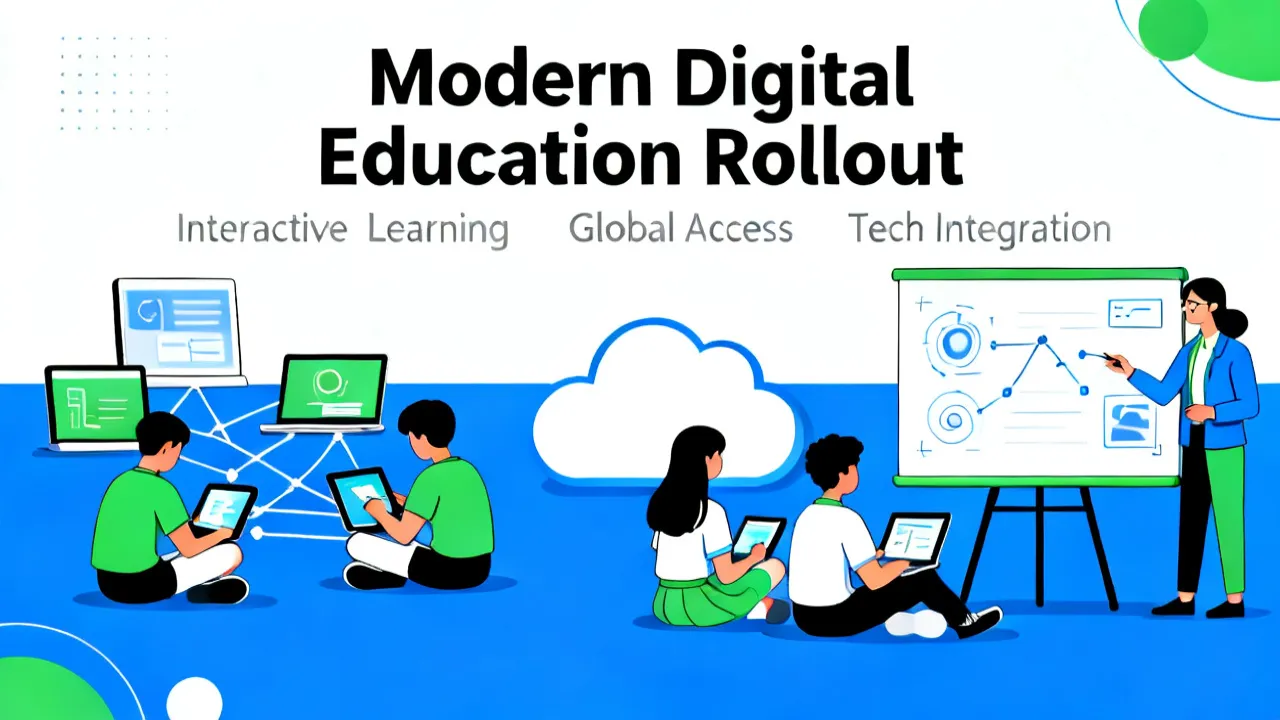
The T4L Rollout represents a significant advancement in the domain of educational technology. Embarking on this initiative, schools are aiming to integrate cutting-edge digital tools and resources into their teaching methodologies. By doing so, they address the evolving needs of twenty-first-century education, focusing on improving student engagement and outcomes. This initiative marks a critical shift from traditional educational models that often rely heavily on textbooks and direct instruction, to more immersive, interactive learning environments that leverage technology to enhance the educational experience.
Significance of the T4L Rollout
The importance of such a rollout in education cannot be overstated. Not only does it align educational practices with current technological trends, but it also helps bridge the digital divide, allowing students from diverse backgrounds access to quality educational resources. Through the T4L Rollout, educators are better equipped to provide personalized and effective teaching approaches, leveraging technology to enhance learning experiences. Furthermore, this rollout minimizes barriers that have traditionally hindered access to learning materials, essentially democratizing education.
One of the core objectives of the T4L Rollout is to foster digital literacy among students, equipping them with essential skills needed in today’s job market. By encouraging critical thinking, creativity, and collaboration through technology, schools are preparing students not just for academic success, but for success in their future careers. As technology pervades every aspect of modern life, having a well-rounded digital education becomes paramount, enabling graduates to navigate and thrive in a technology-driven world.
Key Components of the T4L Rollout
The T4L Rollout encompasses a wide array of components designed to work in synergy to deliver enhanced educational experiences. These include:
- Hardware and Infrastructure: Deployment of devices such as tablets, laptops, and interactive smartboards, coupled with robust network infrastructures to ensure seamless access to digital learning platforms. A reliable internet connection is crucial for the successful implementation of online resources and real-time educational tools.
- Software Solutions: Integration of learning management systems, communication tools, and educational software tailored to different subjects and needs, allowing for a more flexible and personalized learning environment. Programs that provide interactive content or gamified learning experiences can significantly improve student motivation.
- Training and Support: Comprehensive professional development programs for educators to maximize the effective use of these technologies. Adequate training ensures that teachers are confident and competent in utilizing the new tools, ultimately impacting student learning outcomes positively.
Moreover, it is critical to include ongoing support mechanisms, such as workshops, peer mentoring, and access to online resources that can aid educators in staying current with educational technology trends. This not only empowers teachers but also fosters a collaborative environment where they can share best practices and successful strategies.
Potential Challenges
Rolling out such extensive technology in schools does come with its own set of challenges. These may include:
- Budget Constraints: Ensuring sufficient funding for the initial setup and ongoing maintenance. While the benefits of the T4L Rollout are clear, securing the necessary financial resources for hardware, software, training, and continuous support services can be daunting for many institutions. Schools may need to explore partnerships with tech companies or grant opportunities to ease the financial burden.
- Technical Support: Establishing reliable support systems to address technical issues swiftly is essential for maintaining the functionality and effectiveness of the technology implemented. Schools might need to invest in dedicated IT staff or collaborate with external tech organizations to provide timely assistance.
- Equity in Access: Ensuring all students have equal access to the new technologies is one of the most pressing concerns. Students from low-income households may find themselves at a disadvantage without suitable devices or internet access at home. Programs that lend devices or provide internet access options can help bridge this disparity, ensuring equitable learning opportunities are available for all students.
- Resistance to Change: Some educators and administrators may be resistant to adopting new technologies, preferring traditional methods that they are comfortable with. To combat this resistance, initiatives to demonstrate the effectiveness of technology in enhancing student learning and engagement must be prioritized. Encouraging a culture of openness to innovation and gradual integration can alleviate fears surrounding the introduction of technology in educational settings.
Comparison Table: Traditional vs. T4L Rollout School Environment
| Feature | Traditional | T4L Rollout |
|---|---|---|
| Classroom Setup | Chalkboards, limited technology | Interactive displays, digital devices, flexible seating arrangements |
| Teaching Resources | Physical textbooks, printed materials | eBooks, online resources, multimedia content, collaborative platforms |
| Student Engagement | Teacher-centric, passive learning | Student-centric, interactive, and engaging with hands-on learning opportunities |
| Assessment Methods | Standardized tests, rote memorization | Formative assessments, project-based evaluations, digital portfolios |
| Collaboration | Limited group activities, teacher-directed | Enhanced collaboration through digital communication and team projects |
From the comparison table, it is evident that the T4L Rollout transforms not only the resources available to students but also the overall educational approach. The shift from a teacher-centric model to a student-centered framework allows for greater individualization of instruction and offers students the opportunity to take initiative in their learning journey.
Expert Insights
Experts in educational technology emphasize the importance of thoughtful implementation strategies. According to Dr. Evelyn Clark, a leader in educational innovations, "For the T4L Rollout to succeed, schools must adopt not just the technology but a cultural shift towards embracing digital learning as a fundamental element of pedagogy." This sentiment is echoed by many practitioners who stress the necessity of aligning technological advancements with teaching best practices to ensure they are effective and beneficial for students.
Moreover, educational researcher Dr. Michael Thompson notes, "The effectiveness of any technology in the classroom hinges on how well educators are prepared to integrate it into their instruction. Without adequate training and ongoing professional development, the investment in technology may not yield optimal results." This highlights the necessity of supporting teachers throughout the transition, ensuring that they have the resources and guidance needed to thrive in a technologically enhanced environment.
Commonly Asked Questions
- What is the expected timeline for the T4L Rollout?
The rollout varies depending on the institution, but many aim for complete integration within a few academic years. Initial phases often focus on pilot programs, allowing schools to troubleshoot issues and adapt their strategies before broader implementation. - How will the rollout address different learning styles?
The flexibility of digital tools allows educators to tailor learning experiences to individual student needs, accommodating various learning preferences. Features like adaptive learning technologies can provide customized pathways for students, ensuring that all learners can progress at their own pace. - What impact will this have on traditional teaching roles?
While technology will play a more prominent role, teachers' roles evolve into facilitators of learning, guiding students through digital landscapes. This shift in responsibility encourages educators to foster critical thinking and problem-solving skills, preparing their students to navigate complex information landscapes effectively. - How will student data privacy be ensured during the T4L Rollout?
As technology becomes more integrated into the learning environment, safeguarding student data is paramount. Schools must adopt robust policies to protect student information and comply with legal regulations such as FERPA in the United States. Educators and administrators must be trained on data management and protection strategies. - What role will parents play in the T4L Rollout?
Engaging parents in the T4L Rollout is crucial for its success. Schools should foster open communication and provide resources for parents to support their children's learning at home. Additionally, involving parents in feedback mechanisms can create a collaborative atmosphere that enhances student learning experiences.
Conclusion
The T4L Rollout is poised to significantly influence the educational landscape, introducing dynamic and adaptable learning environments. Despite the challenges, the potential benefits for student engagement and educational outcomes provide a compelling case for its adoption. As school systems continue to evolve, embracing these technological advancements will be key to preparing students for the future. The transition from traditional to tech-based learning represents not only a change in tools but a paradigm shift in educational philosophy, calling for greater collaboration, communication, and commitment to student-centered learning.
In the broader context, the success of the T4L Rollout can inspire similar initiatives worldwide, fostering a global movement toward more equitable and effective educational practices. As other countries look to improve their educational systems, the lessons learned from the T4L Rollout can serve as a valuable blueprint in their efforts to integrate technology into classrooms worldwide.
Ultimately, the narrative of education is changing; the integration of technology through initiatives like the T4L Rollout not only reshapes what learning can look like but also redefines the roles of educators, students, and parents alike in this new era of education. As we continue to explore and develop these technologies, the potential for innovation in learning remains boundless, signaling a more inclusive and engaged future for all learners.