The T4l Rollout: Revolutionizing Education
The T4l Rollout marks a pivotal shift in the educational landscape by integrating advanced technologies into learning environments. This transformation aims to enhance educational outcomes through innovative approaches that cater to diverse student needs. By focusing on efficient resource allocation and personalized learning, T4l is setting new standards in how education is delivered and received.
Understanding the T4l Rollout
The T4l Rollout symbolizes a groundbreaking evolution in the application of technology within educational institutions. This initiative is about more than just introducing new gadgets or software; it represents a comprehensive strategy to redesign teaching and learning processes. The aim is to equip educators and students with tools that enhance understanding, engagement, and critical thinking. In an era where digital literacy is paramount, the T4l Rollout is poised to transform educational paradigms by making learning experiences more tailored and interactive.
At the heart of the T4l Rollout is a vision of a future where technology complements and enriches traditional educational practices. This involves not only the use of cutting-edge devices such as tablets and laptops but also the integration of various software solutions that promote collaboration, creativity, and critical analysis among students. The framework considers diverse educational settings, providing schools in different contexts with the tools necessary to adapt and thrive. Importantly, the initiative seeks to bridge the gap between students' everyday experiences with technology and what they encounter in the classroom.
Key Features of the T4l Rollout
The T4l Rollout introduces several state-of-the-art features to the educational sector, ensuring that students and teachers alike benefit from robust resources and innovative teaching methods:
- Personalized Learning Paths: Utilizing data analytics and AI, T4l crafts individualized learning experiences that cater to each student's unique needs and pace. By gathering data on student performance and preferences, educators can tailor the curriculum to focus on areas where students need the most help, as well as accelerate studies in subjects where they excel. This not only fosters a sense of ownership in their learning but also helps in maintaining high levels of motivation.
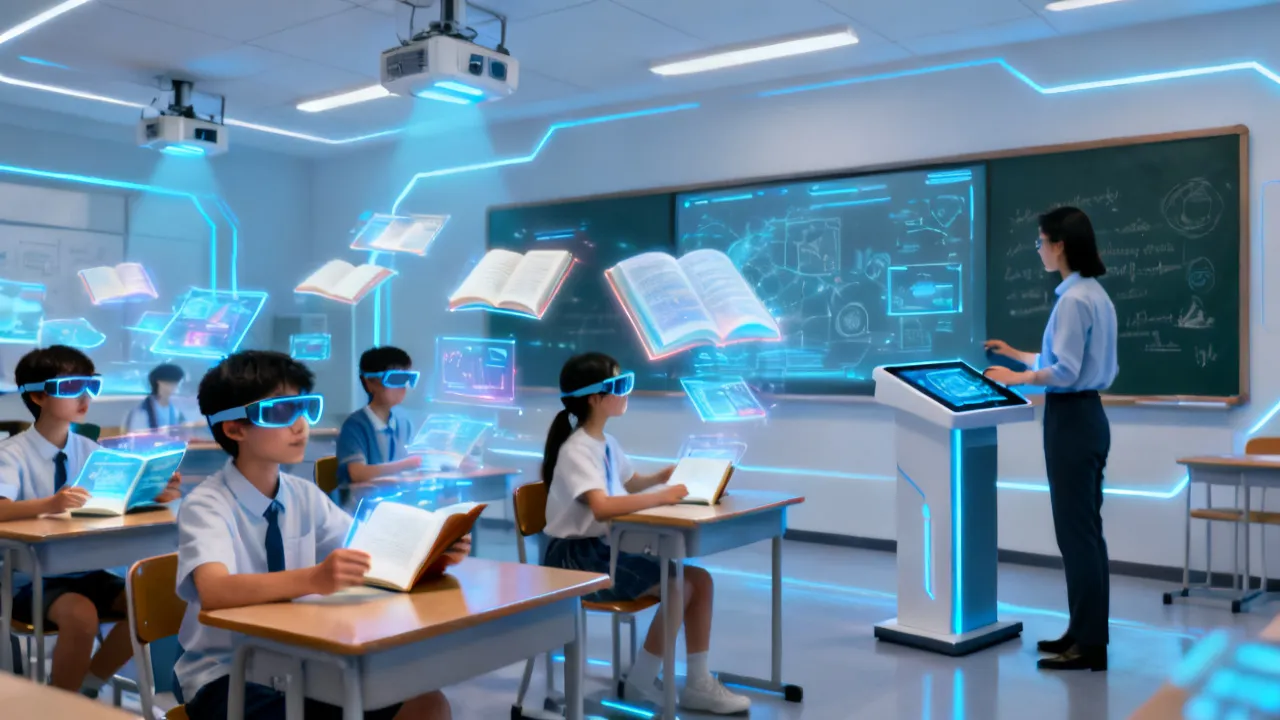
- Interactive Learning Environments: Classrooms are equipped with interactive whiteboards, augmented reality tools, and collaborative platforms to foster a more immersive experience. These environments enable students to explore concepts in a hands-on manner, allowing for greater retention of information. For instance, augmented reality can help students visualize complex scientific processes or historical events, making the content more relatable and easier to grasp.
- Resource Optimization: Efficient allocation of resources ensures that budget constraints do not impede access to the latest educational technologies. Schools are trained to maximize the use of available tools and funding, often partnering with tech companies, non-profits, and community organizations to secure additional resources. This collaborative approach ensures that the benefits of the T4l Rollout reach as many students as possible, regardless of their socioeconomic background.
- Professional Development: Continuous training for educators ensures they are proficient in integrating new technologies into their teaching strategies. Ongoing professional development sessions are provided not only at the outset of the rollout but also as needs arise, ensuring that teachers remain current on teaching practices. Mentorship programs may also be established, pairing experienced technology users with less experienced colleagues, fostering a culture of continuous learning and adaptation.
The Impact on Students and Teachers
For students, the T4l Rollout promises a more engaging and relevant education. By allowing for a variety of learning styles, it ensures that all students, regardless of their capabilities, have an equal opportunity to succeed. The initiative recognizes that students today are digital natives, often more comfortable using technology than traditional methods of instruction. As such, the integration of interactive technologies allows them to take more active roles in their education, whether it’s through collaborative projects online or engaging with interactive simulations.
Teachers, on the other hand, benefit from professional development programs designed to enhance their ability to leverage new technologies effectively. This empowerment enables teachers to create more dynamic lesson plans that captivate student attention and encourage collaboration among peers. As educators become more adept at using technology, they can also provide more immediate feedback to students, thereby enhancing the learning process.
Moreover, the T4l Rollout fosters a culture of innovation within schools. As teachers experiment with new technologies and methods, they are more likely to adopt a growth mindset, encouraging students to do the same. This environment supports risk-taking and creativity, essential traits for success in the 21st century.
Challenges and Considerations
Despite its potential, the T4l Rollout is not without challenges. Schools need to consider infrastructure investment, ongoing teacher training, and ensuring equitable access to technology. Infrastructure updates can be costly, and districts may struggle with budgets that are already tight. This necessitates careful planning and prioritization to ensure that funds are allocated where they will have the greatest impact.
Furthermore, there is an ever-present challenge of technology inequality. While some students may have access to cutting-edge tools at home, others may lack basic devices or reliable internet connections. Schools must work diligently to provide resources such as loaner devices and internet access to ensure that all students can participate fully in a technology-enhanced curriculum. This issue begs the question of how schools can partner with community organizations, tech companies, and local governments to address these disparities.
Moreover, it is crucial to maintain a balance between traditional teaching methods and technological dependency. While the goal is to enhance learning through technology, it is essential that educators retain tried-and-true pedagogical methods that have proven effective over decades. Educators must not lose sight of the importance of face-to-face interaction, hands-on activities, and critical thinking exercises that promote students’ emotional and social skills.
Another consideration is the importance of evaluating the effectiveness of the T4l Rollout. Schools will need to implement assessment protocols to measure student engagement, academic performance, and teacher satisfaction. Feedback from students and teachers alike can provide valuable insights into what is working well and what may need to be adjusted. This ongoing evaluation process is essential for refining the implementation of technology in the classroom and ensuring that it meets the educational goals set forth by the T4l initiative.
Case Study: Implementations Nearby
Several schools nearby have successfully implemented the T4l Rollout, providing valuable examples of its potential impact. For instance, High School A integrated virtual reality (VR) in their science curriculum, which dramatically improved student comprehension and engagement. Students reported feeling more involved in their learning process as they were able to immerse themselves in complex scientific environments that would have been impossible to replicate in a traditional classroom setup. Surveys indicated a marked increase in enthusiasm for science subjects, showcasing how experiential learning can enhance interest and understanding.
Another success story comes from Elementary School B, which reported increased math proficiency after introducing adaptive learning software. This software not only adapted to each student’s learning pace but also provided instant feedback, enabling students to identify areas where they needed improvement. Teachers leveraged the data from the software to make targeted interventions, resulting in noticeable gains in student confidence and achievement. Such success stories underscore the transformative power of tailored technology in education.
| School | Implementation | Outcome |
|---|---|---|
| High School A | Virtual Reality in Science Class | Improved student engagement and understanding |
| Elementary School B | Adaptive Learning Software for Math | Increased proficiency and student confidence |
FAQs
- What is the T4l Rollout? The T4l Rollout is an initiative aimed at integrating advanced technologies into educational settings to enhance teaching and learning experiences. By changing how traditional education is approached, the T4l initiative seeks to equip students and teachers alike with necessary skills for a rapidly evolving digital world.
- How does it benefit students? It provides personalized learning experiences, making education more relevant and engaging. Students are better equipped to engage with material at their own pace, which can lead to improved academic outcomes and increased motivation.
- Are there challenges? Yes, including infrastructure costs, the need for ongoing teacher training, and ensuring equitable access to technology. Addressing these challenges requires strategic planning, community support, and fiscal responsibility.
- What role do teachers play in this initiative? Teachers are central to the success of the T4l Rollout as they are the ones implementing new technologies and methodologies within the classroom. Ongoing training and support are essential to ensure that educators are well-prepared to lead their students through these changes.
- Can technology replace traditional teaching methods? While technology can significantly enhance education, it should not replace traditional methods entirely. A blended approach that combines technology with proven pedagogical practices is likely to yield the best educational outcomes.
Conclusion
The T4l Rollout stands as a beacon for the future of education, promising a more customized and impactful learning experience for students. As educational institutions continue to navigate technological integration, the focus remains steadfast on enhancing educational outcomes and preparing students for a digitally-driven world. The implementation of advanced technologies will not only enrich the learning environment but also ensure that all students develop the skills necessary for success in the 21st century.
In summary, the T4l Rollout represents a significant step forward in educational reform, focusing on personalized, engaging, and technology-enhanced learning experiences. Furthermore, its implications extend beyond the classroom, as students become more adept at navigating the digital landscape that characterizes modern society. It’s essential for stakeholders—educators, parents, and policymakers—to remain committed to supporting and evolving this initiative, ensuring it continues to meet the diverse needs of all learners.
Moreover, looking ahead, the ongoing assessment and refinement of the T4l Rollout will be crucial. As educational technologies continue to evolve, schools will need to remain agile, ready to incorporate new tools and methods that can further enhance student learning. Engaging students in the process of technological integration, while ensuring they develop a critical understanding of the tools they use, will be essential for fostering a generation of learners prepared to thrive in an ever-changing world. Through partnership, innovation, and commitment to equity, the T4l Rollout can truly transform education for the better.