Understanding the T4L Rollout
The T4L Rollout represents a transformative phase in digital education, reflecting a shift towards more technologically integrated learning environments. Initiated to enhance educational accessibility and efficacy, T4L encompasses advanced technological infrastructure, curriculum redesign, and teacher training. This article delves into the strategic components, anticipated challenges, and expected outcomes of this ambitious initiative.
Introduction to the T4L Rollout
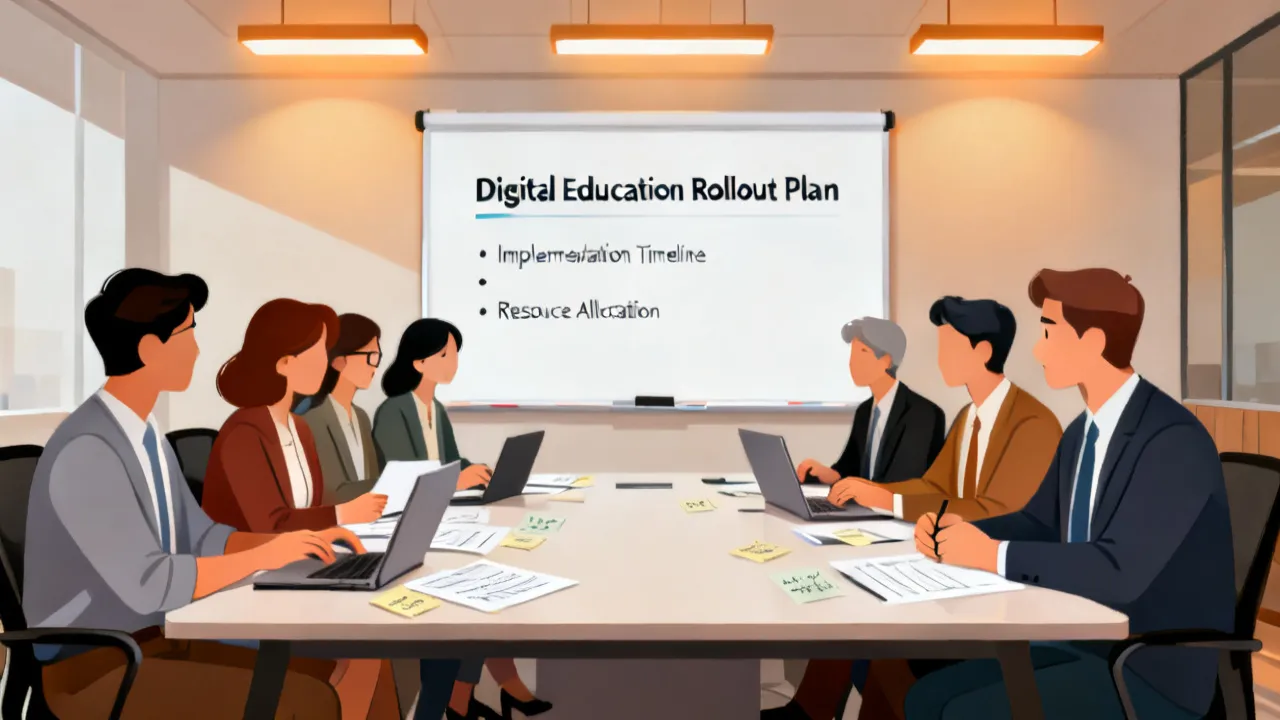
The T4L Rollout marks a significant step towards modernizing educational systems by embedding technology in the learning process. This strategic initiative, designed to integrate cutting-edge digital tools into classrooms, aims to enhance both teaching and student engagement. By prioritizing technological infrastructure and tailored training programs, T4L seeks to bridge the gap between traditional education methodologies and the demands of a digital world.
As educational institutions navigate the complexities of the 21st century, the need for a systematic approach to technology adoption in the classroom becomes increasingly apparent. The T4L Rollout represents a holistic transformation, not merely a transient shift in teaching methods, but a comprehensive rethinking of how knowledge is delivered and absorbed. With digital natives entering the educational landscape, it is critical that educational systems evolve to meet their unique needs and learning preferences.
The importance of this initiative is further underscored by the rapid advancement in educational technologies. Tools that facilitate personalized learning experiences—such as adaptive learning software, interactive simulations, and virtual reality—are becoming pervasive. The T4L Rollout aims to harness these innovations, enabling educators to tailor their approaches to individual learning styles and paces. Importantly, this integration happens within a framework that prioritizes pedagogical effectiveness, ensuring technology enhances rather than detracts from educational goals.
Core Components of the T4L Rollout
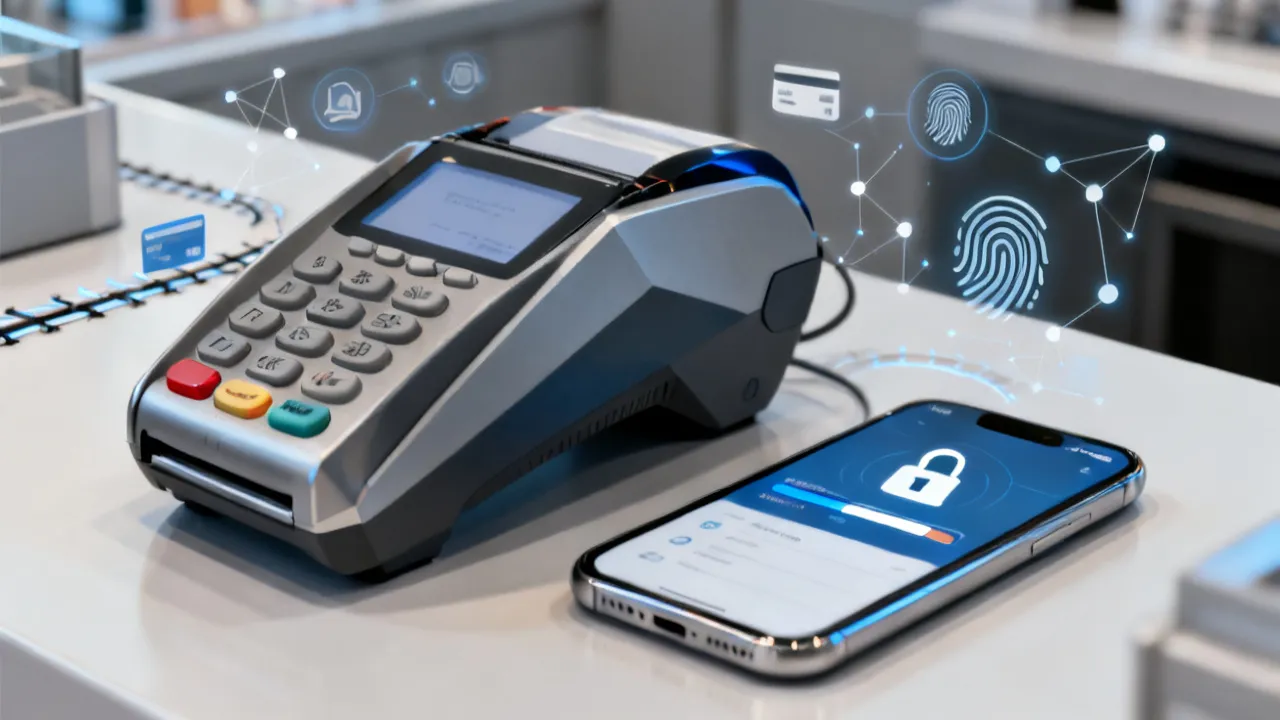
At its core, the T4L Rollout comprises several key elements. Firstly, the initiative emphasizes the deployment of advanced technology in schools, including smart devices, enhanced connectivity, and digital learning platforms. This technology serves as the backbone of modern education, enabling interactive lessons and immediate access to vast resources.
Secondly, curriculum updates are crucial to maximize the benefits of the technology introduced. This involves not only the inclusion of digital resources but also a reassessment of pedagogical strategies to integrate technology meaningfully. For instance, augmenting traditional lesson plans with multimedia elements can consolidate learning and invite deeper engagement from students. Curriculum revisions also necessitate collaborative input from educators, technologists, and curriculum specialists to ensure relevance and effectiveness.
Thirdly, teacher training programs are pivotal, ensuring educators are well-equipped to utilize these new tools in their instructional practices. Without proficient instructors who can navigate and leverage technological tools effectively, the valuable resources invested in technology could be squandered. Professional development that focuses on both the technical aspects of the tools and their pedagogical implications is essential for fostering a culture of continuous learning among educators.
Objectives and Goals
The primary objective of the T4L Rollout is to improve educational outcomes by facilitating personalized and adaptive learning experiences. The use of technology aims to foster critical thinking, creativity, and collaboration among students. Furthermore, it seeks to ignite a passion for lifelong learning, equipping students with the skills needed to navigate an ever-evolving digital landscape.
Additionally, T4L envisions democratizing access to quality education, ensuring all students, regardless of their geographical location or socio-economic background, can benefit from the resources provided. Equity remains a central tenet of the initiative, prompting discussions about rural vs. urban access, socioeconomic disparities, and systemic barriers that might hinder effective technology integration.
To realize these goals, T4L has established specific benchmarks for success. These encompass improvements in student engagement metrics, higher test scores, and increased participation in enriched learning experiences that utilize technology effectively. Furthermore, the initiative aims to foster partnerships with tech companies, community organizations, and governmental bodies to create a robust support network around schools during this transitional phase.
Challenges in Implementing the T4L Rollout
Despite its ambitious goals, the T4L Rollout faces several challenges. One major hurdle is ensuring equitable access to technology for all students, especially in under-resourced areas. Many students still lack reliable access to the internet or digital devices, which can widen the educational gap rather than close it. Bridging this digital divide involves thoughtful strategies such as providing devices to students in need and enhancing internet infrastructure in rural communities.
Moreover, there are concerns regarding data privacy and cybersecurity as digital tools become more integrated into daily learning activities. With increased reliance on technology comes the necessity to protect sensitive information of students and staff alike. Policies and practices must be developed to ensure that data is handled responsibly, and that schools adopt best practices for safeguarding privacy.
Keeping teachers updated with continuous professional development to adapt to new technologies is another significant challenge. Educators' varying levels of comfort and familiarity with technology can create disparities in classroom experiences. Structured training programs must account for these differences, offering foundational training as well as opportunities for more seasoned tech users to explore advanced tools and pedagogies. This ongoing commitment to professional development must be embedded into the broader culture of the educational institution.
Lastly, changing mindsets within educational systems can take time. Resistance to new technologies can stem from skepticism about their necessity or efficacy. It is crucial to engage stakeholders—including teachers, parents, and administrative staff—to foster a collaborative environment where innovation is embraced, and the collective vision for technology in education is shared.
Potential Impacts on the Educational Landscape
If implemented successfully, the T4L Rollout could lead to a transformative shift in education. Classrooms could transition from lecture-based settings to interactive learning environments, empowering students to take an active role in their education. This shift could foster a culture of inquiry and exploration, inviting students to engage with subject matter in a more meaningful way.
This shift could also prepare students better for future workplaces, where digital literacy is increasingly becoming a prerequisite. As industries continue to evolve due to technological advancements, equipping students with critical skills for the digital age—such as coding, analytical thinking, and collaborative problem-solving—becomes paramount. The T4L Rollout emphasizes the necessity of embedding these skills into everyday learning experiences.
In addition to preparing students for careers, the T4L Rollout has the potential to impact social-emotional learning significantly. Digital tools can provide new avenues for students to express themselves, collaborate with peers, and receive feedback from their instructors. Platforms that facilitate interaction can help build community and connection among learners, helping to mitigate feelings of isolation that may result from the increased use of technology.
Ultimately, the educational landscape could become more inclusive and adaptable. With personalized learning pathways, students can access materials that match their interests and learning styles, allowing them to take ownership of their education. Furthermore, inclusive digital tools can accommodate diverse needs, providing essential support for students with disabilities and different learning requirements. This adaptability fosters an atmosphere where all students can thrive.
| Component | Description |
|---|---|
| Technology Deployment | Introduction of smart boards, tablets, and high-speed internet in classrooms. |
| Curriculum Redesign | Updating course content to incorporate digital tools and platforms. |
| Teacher Training | Continuous professional development programs to help teachers utilize technology effectively. |
| Student Engagement | Focus on creating interactive and participatory learning experiences through technology. |
| Equity Initiatives | Strategies to ensure all students have access to technology and educational resources. |
| Data Privacy Programs | Implementing security measures to protect student information and maintain privacy. |
FAQs
What is the T4L Rollout?
The T4L Rollout is an initiative aimed at integrating technology into educational systems to enhance learning experiences and outcomes.
Why is technology important in education?
Technology can personalize learning, improve engagement, and prepare students for the digital workforce by fostering essential skills like problem-solving and collaboration. It facilitates a deeper connection to content and enhances the ability for students to apply knowledge in real-world contexts.
What are the main challenges of the T4L Rollout?
Key challenges include ensuring equitable access to technology, maintaining data privacy, and providing ongoing teacher training to keep up with technological advancements. Moreover, cultivating a culture of innovation among educators and addressing any resistance to change presents ongoing hurdles.
How will the T4L Rollout affect teaching practices?
The T4L Rollout is likely to lead to more interactive and student-centered teaching practices. Educators will be encouraged to move away from traditional lecturing methods and to adopt strategies that engage students actively in the learning process. This transition will demand flexibility and creativity in instructional design, as teachers explore the possibilities offered by technology.
What tools and technologies will be implemented under the T4L Rollout?
The initiative encompasses various tools, including smartboards, tablets, learning management systems, and educational software that supports personalized and collaborative learning. The selection of tools will be driven by the needs within the education system, with a focus on quality and effectiveness.
How can parents support the T4L Rollout?
Parents can support the T4L Rollout by embracing new technologies being introduced in schools and encouraging their children to explore digital learning resources at home. Additionally, being involved in discussions about the rollout and advocating for equitable access can foster a collaborative approach to education.
Conclusion
The T4L Rollout is a bold step toward reinventing educational frameworks for modern needs. While challenges exist, the potential benefits of a more personalized, engaging, and equitable learning environment make this initiative a crucial focal point for educational reform. By embracing technological advancements, the T4L Rollout aims to prepare students for future societal and occupational landscapes effectively. This commitment to fostering a vibrant culture of learning will not only enhance educational outcomes but may also pave the way for a generation that is adept at navigating the challenges and opportunities of a rapidly changing world.
In summary, the T4L Rollout represents an opportunity for schools and educators to reimagine how teaching and learning can occur in the digital age. By centering technology within educational practices and developing comprehensive strategies around its implementation, this initiative seeks to ensure that every student has the tools they need to succeed. The future of education is bright with possibilities, and the T4L Rollout holds the promise of unleashing potential in classrooms everywhere.