
Understanding Product Code Significance
This article explores the implications of the unique product identifier "24.069 292 0001 87," emphasizing its significance within inventory management and supply chain processes. By decoding the intricacies tied to this specific string, businesses can enhance operational efficiency and accuracy, ensuring streamlined logistics. Additionally, this guide delves into the practical applications and industry norms surrounding such identifiers.
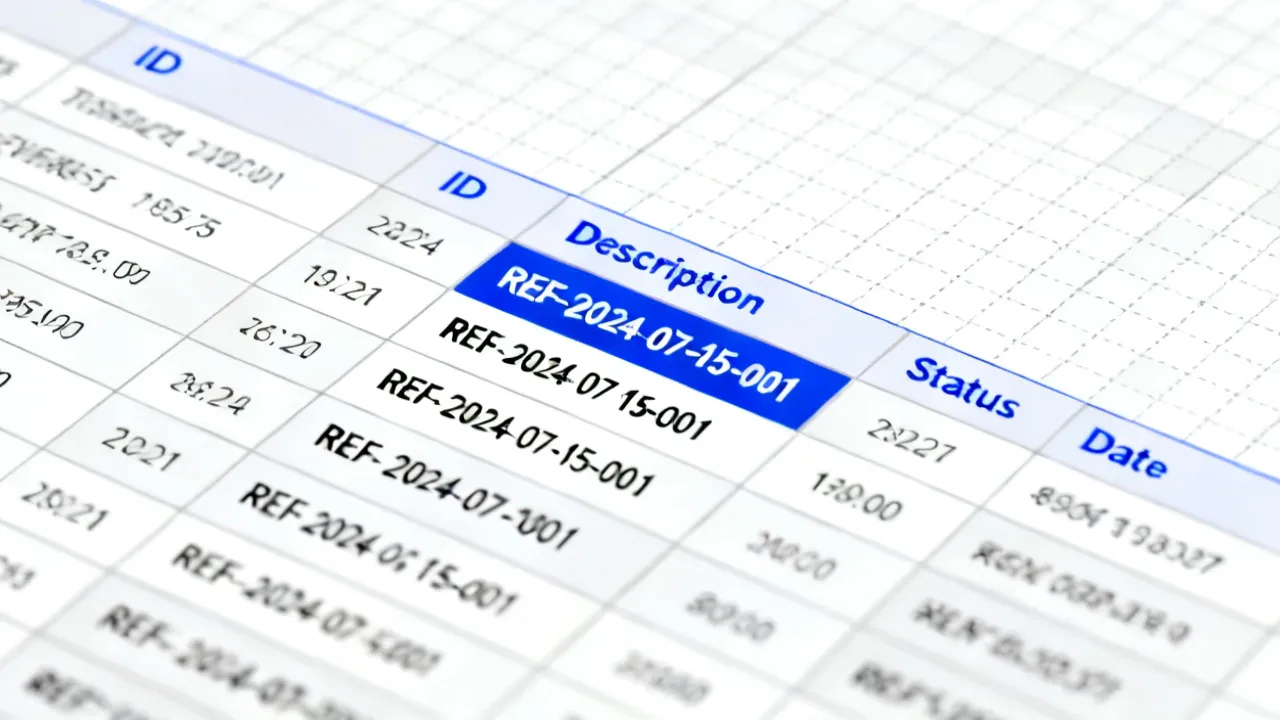
Understanding Product Identifiers
Product identifiers, such as "24.069 292 0001 87," play a critical role in modern inventory systems and supply chain management. These codes serve as unique signifiers that allow businesses to track, manage, and distinguish products within the vast global market. Such identifiers are indispensable for maintaining the accuracy and efficiency of logistics and operational procedures. With globalization, the complexity of managing inventory becomes even more pronounced, necessitating the use of these identifiers to navigate the challenges of multiple markets, languages, and regulations.
Role in Inventory Management
Inventory management relies heavily on precise product identification to prevent stock discrepancies and ensure timely deliveries. By incorporating identifiers like "24.069 292 0001 87" into their systems, companies can significantly reduce the risk of errors and enhance their ability to forecast demand accurately. This systematic approach is crucial for minimizing lost sales opportunities and optimizing warehouse space. Effective inventory management also involves keeping track of turnover rates, seasonal changes, and customer preferences, which are all intertwined with the accurate identification of products.
Decoding the Code: "24.069 292 0001 87"
An identifier like "24.069 292 0001 87" is typically composed of multiple segments, each delivering unique information about the product. Generally, these segments could refer to aspects such as product category, supplier details, geographic region, batch number, or serial order. The structured composition aids businesses in rapidly extracting necessary product data whenever required, facilitating swift decision-making and customer service. Understanding the breakdown of these codes is paramount; for instance, a company may designate the first segment to represent a specific product type, while subsequent segments could specify manufacturing locations or distribution channels, enriching the data available for analysis.
Supplier Influence and Geographical Context
The inclusion of supplier details in identifiers is pivotal. They ensure that all stakeholders involved—from manufacturers to retailers—can comprehend the product's journey through the supply chain. This knowledge allows businesses to enforce quality controls more effectively and customize their strategies based on region-specific expectations or consumer behavior insights. Moreover, by tracking the geographical context of a product identifier, companies can respond to local market demands more dynamically, adjusting inventory levels and offerings in accordance with regional trends and preferences. At a time when consumers increasingly value sustainability and local sourcing, understanding geographic information embedded in product identifiers can provide a competitive edge.
Industry Norms and Practical Applications
Industry standards govern how product identifiers are structured, ensuring uniformity across various sectors. The consistency brought about by such standards fortifies data exchange and communication between disparate entities, facilitating global commerce. Organizations may also customize identifiers to add layers of data such as production date or environmental compliance, depending on their internal requirements. For example, in the food and beverage industry, traceability coding is critical for safety protocols; a product identifier may include information that allows for immediate identification of any health issues related to a specific batch of products. Companies that adhere to best practices in identifier standardization not only enhance their operational efficiency but also build trust with consumers who are increasingly conscious of product origins and safety.
The Economic Impact of Efficient Identification
Efficient product identification systems like those utilizing "24.069 292 0001 87" directly correlate with improved productivity and reduced operational costs. As seamless logistics play an integral part in an enterprise's success, the economic implications are significant. Companies can leverage these efficiencies to gain competitive advantages and expand their market reach. For instance, a streamlined identification system reduces the time spent on inventory audits and replenishment orders, facilitating faster turnaround rates and ultimately enhancing customer satisfaction. This is especially crucial in e-commerce, where speed and accuracy in fulfilling orders can significantly influence customer loyalty and brand reputation.
Technological Advancements in Product Identification
The landscape of product identifiers continues to evolve alongside technological advancements in fields such as artificial intelligence (AI) and the Internet of Things (IoT). These innovations enable more sophisticated tracking and analytics systems, which allow businesses to anticipate demand with greater precision and enhance overall supply chain visibility. For example, integrating AI can help in predicting inventory turnover rates based on historical data and current trends, thus optimizing the stocking process and ensuring that retailers maintain adequate levels of popular products while reducing wastage on slower-moving items. Additionally, IoT devices can automate the update of product identifiers in real-time, ensuring that inventory systems always reflect current stock levels, thus providing immediate advantages in inventory accuracy and operational efficiency.
Challenges in Product Identification
Despite the various benefits associated with product identifiers, challenges remain. One significant hurdle involves the integration of product identification systems across different platforms and regions. Companies may have to navigate differing standards across countries, which can complicate the global supply chain processes. Moreover, technological limitations in certain supply chain segments can hinder the effective implementation of advanced identification systems. In such scenarios, companies must consider investing in training and development to ensure that personnel are adept at utilizing the technologies essential for efficient product identification. Moreover, maintaining accuracy in the face of constant market changes demands a level of agility and responsiveness that not all organizations may possess, which can lead to inefficiencies and lost opportunities.
Global Perspectives on Product Identifiers
The use of product identifiers can also vary significantly on a global scale. For instance, while North American and Western European markets may rely heavily on traditional barcodes and alphanumeric identifiers, emerging markets might increasingly adopt advanced RFID technology and mobile barcode scanning due to the proliferation of smartphones. This variation presents unique opportunities and challenges for companies looking to operate internationally. To successfully navigate these diverse environments, businesses must not only understand local regulations and consumer preferences but also adapt their product identification strategies accordingly. Companies that succeed in aligning their identifier strategies with global diversity can create stronger brands and achieve greater market penetration.
Future Trends in Product Identification
Looking ahead, several key trends are likely to shape the future of product identifiers. One notable trend is the growing emphasis on sustainability, where product identifiers may include data about environmental impact, materials sourcing, and lifecycle analysis. Consumers are increasingly demanding transparency regarding the products they buy, leading businesses to reevaluate how identifiers can convey additional information that resonates with eco-conscious shoppers. Moreover, the advent of blockchain technology holds promise for product identification by providing immutable records of a product's journey through the supply chain. Such transparency can enhance trust among consumers, ensuring they feel confident in their purchasing decisions.
Conclusion: The Path Forward
As supply chains become more complex and globalized, the relevance of efficient and effective product identifiers will continue to grow. Their ability to streamline processes, enhance inventory management, and support data-driven decision-making positions them as essential tools for modern businesses. Companies that prioritize investment in sophisticated identification systems, while remaining adaptable to technological advances and market changes, are likely to find themselves empowered to succeed in a competitive landscape. Embracing innovation while ensuring that product identifiers remain relevant, user-friendly, and aligned with consumer expectations will be key strategies for future growth.
FAQs
- What is a product identifier? A product identifier provides a unique reference for a product, often represented by an alphanumeric code used in supply chains.
- Why are identifiers essential? They ensure the accurate tracking and management of inventory, preventing discrepancies and aiding in logistics.
- Can identifier formats vary? Yes, while standards exist, companies may customize identifiers to include additional relevant information.
- How do identifiers enhance supply chains? By offering precise tracking, they reduce errors and improve operational efficiency.
- What innovations are shaping product identifiers? Advancements such as AI, IoT, and blockchain are transforming how products are identified and tracked in the supply chain, introducing automation, real-time updates, and enhanced transparency.
- How does globalization affect product identification? Globalization introduces varying standards and practices across different markets. Companies must adapt their identification strategies to cater to diverse consumer behaviors and regulatory requirements.
- Can product identifiers aid in sustainability efforts? Yes, by incorporating environmental data into identifiers, companies can enhance their transparency and appeal to eco-conscious consumers, thus promoting sustainable practices.