Loan Services in English-Speaking Countries
This guide explores the diverse array of loan services available in English-speaking countries, highlighting offerings from prominent banks in Australia, Canada, the United Kingdom, and the United States. Loans are contractual agreements where a lender provides funds to a borrower, subject to interest and predetermined repayment terms. These financial products facilitate access to capital for individuals and businesses, driving economic activities globally.

Understanding Loan Services in English-Speaking Countries
Loans are critical financial instruments in today's economy, granting individuals and businesses the ability to access much-needed capital. This article explores the offerings from major lenders across English-speaking countries, namely Australia, Canada, the United Kingdom, and the United States, providing insights into their products and how they cater to varied needs. In addition to detailing specific loans and features, we will also delve into factors influencing loan decisions, the application process, and tips for responsible borrowing.
Australia: Flexible Loan Options
Australia offers a dynamic loan landscape, with lenders such as Harmoney and ANZ Bank standing out as prominent providers. Harmoney provides unsecured loans ranging from AUD 2,000 to 70,000, with interest rates starting as low as 5.76% p.a. A distinctive feature is their lack of early repayment fees, with repayment terms extending from 3 to 7 years. For example, a AUD 20,000 loan at 5.76% over five years results in monthly repayments of approximately AUD 382. This flexibility makes Harmoney a popular choice for borrowers seeking both convenience and affordability.
In contrast, ANZ Bank offers secured loans between AUD 5,000 and 75,000, with interest rates beginning at 6.99% p.a. ANZ allows for flexible repayment terms ranging from 1 to 7 years, giving borrowers room to manage their finances effectively. Additionally, the possibility of early settlement is attractive for those who may find themselves in a position to pay off their debt sooner than anticipated. However, it is essential to consider additional costs associated with ANZ’s loans, such as an establishment fee of AUD 150 and monthly charges. This makes it vital for borrowers to carefully compare these nuances before signing up.
Introducing peer-to-peer lending platforms like OurMoneyMarket and RateSetter has further enriched the Australian loan landscape, allowing individuals to borrow directly from other individuals, bypassing traditional banks. Such platforms can often offer competitive interest rates, but they also come with the caveat of less regulatory oversight, making borrowers prioritize research before engaging.
Canada: Varied Personal Loan Selections
Canada's loan market, represented by key players like TD Bank and Royal Bank of Canada (RBC), provides a broad range of lending options tailored to differing financial situations. TD Bank extends personal loans from CAD 5,000 to 50,000, with variable interest rates starting at 8.99%. Customers can benefit from adaptable repayment terms spanning 1 to 5 years, and TD Bank allows the flexibility to repay early without financial penalties, making it an attractive option for borrowers seeking customization in their lending experience.
RBC, on the other hand, offers unsecured personal loans starting from CAD 5,000, at rates beginning from 7.99% p.a. The approach taken by RBC includes customizable repayment periods of up to 5 years, which ensures they cater to the diverse financial scenarios encountered by Canadians. A typical CAD 10,000 loan at a 7.99% rate over four years incurs a monthly repayment of about CAD 244. Understanding the diverse needs of the Canadian populace, RBC also provides specialized loans beyond personal needs, such as for business or educational purposes.
Furthermore, the Canadian loan landscape is evolving with the emergence of alternative lenders, such as LoanConnect and GoDay, which cater to individuals looking for quick access to funds through shorter-term loans or micro-loans. These options often have higher interest rates but can deliver an invaluable lifeline in emergencies.
United Kingdom: Secure and Unsecured Loan Choices
The UK's loan offerings from Lloyds Bank and Santander UK cater to a wide range of financial needs with clear distinctions. Lloyds Bank provides fixed personal loans ranging from £1,000 to £50,000 at rates starting at 4.9% p.a. Among the unique features are the lack of application fees, though potential early repayment penalties may apply. Loan terms can extend from 1 to 7 years, granting customers various options to fit their budget and financial planning.
In comparison, Santander UK specializes in unsecured loans between £1,000 and £25,000, with a starting interest rate of 5.5% p.a. They emphasize ease of access and manageability, offering terms of 1 to 5 years and encouraging early repayment without fees. A common product example involves borrowing £10,000 over three years, yielding a monthly repayment of £302 at a 5.5% interest rate. The UK has also witnessed the rise of numerous online and peer-to-peer lenders, widening the array of options for potential borrowers.
Moreover, borrowers in the UK may also explore government-backed loan schemes designed to facilitate access to business financing, especially for startups and small enterprises. Programs such as the British Business Bank's Start Up Loans scheme provide invaluable support for new entrepreneurs aiming to establish their businesses.
United States: Comprehensive Lending Solutions
The US market is enriched by major players like Wells Fargo and SoFi, offering expansive lending options tailored to a whole spectrum of needs. Wells Fargo provides personal loans ranging from USD 3,000 to 100,000 with interest rates running from 7.49% to 23.74% p.a. They focus on transparency, evident in their absence of origination fees and a compassionate approach towards late payments. Flexible repayment spans from 12 to 84 months are designed for consumer ease, ensuring borrowers can manage their budgets effectively.
SoFi grants unsecured loans from USD 5,000 to 100,000, with rates between 6.99% and 21.99% p.a. An appealing aspect of SoFi's offerings includes a lack of fees, covering origination, early repayment, and late fees. Their repayment terms often extend from 2 to 7 years, exemplified by a USD 20,000 loan at 6.99% over five years, which would cost approximately USD 396 per month. SoFi is also recognized for its robust member benefits, which provide additional services like career coaching and financial planning tools beyond standard loan terms.
In addition to traditional banks, the US market features a surge of online lenders and fintech solutions. Companies like LendingClub and Credible have broadened access to borrowing, providing alternatives that often streamline the application process, resulting in faster approval times, which has become essential for many borrowers in urgent need of funds.
Table of Loan Services
| Country | Bank | Details |
|---|---|---|
| Australia | Harmoney | Unsecured loans; AUD 2,000–70,000; Starts at 5.76% p.a. |
| Australia | ANZ Bank | Secured loans; AUD 5,000–75,000; Starts at 6.99% p.a. |
| Canada | TD Bank | Personal loans; CAD 5,000–50,000; Variable rates from 8.99% p.a. |
| Canada | RBC | Unsecured personal loans; From CAD 5,000; Rates from 7.99% p.a. |
| United Kingdom | Lloyds Bank | Fixed personal loans; £1,000–50,000; Starting at 4.9% p.a. |
| United Kingdom | Santander UK | Unsecured loans; £1,000–25,000; Starting at 5.5% p.a. |
| United States | Wells Fargo | Personal loans; USD 3,000–100,000; Rates 7.49%–23.74% p.a. |
| United States | SoFi | Unsecured loans; USD 5,000–100,000; Rates 6.99%–21.99% p.a. |
source: [www.harmoney.com.au](https://www.harmoney.com.au), [www.anz.com.au](https://www.anz.com.au), [www.td.com](https://www.td.com/us/en/personal-banking), [www.rbcroyalbank.com](https://www.rbcroyalbank.com), [www.lloydsbank.com](https://www.lloydsbank.com), [www.santander.co.uk](https://www.santander.co.uk), [www.wellsfargo.com](https://www.wellsfargo.com), [www.sofi.com](https://www.sofi.com)
Applying for a Loan: Step-by-Step Guide
Applying for loans in these countries involves understanding their processes and preparing properly. The steps can broadly be broken down into the following:
- Research: Investigate lenders to determine which offers the most favorable terms for your situation. Utilize online resources, comparison tools, and customer reviews to gather insights.
- Check Eligibility: Every lender has their eligibility criteria which often involve assessments of credit history, income verification, employment status, and sometimes citizenship or residency status.
- Prepare Documentation: Gather necessary documents, including identification proofs (e.g., a driver’s license or passport), income statements (e.g., pay stubs or tax returns), and current credit scores to support your application.
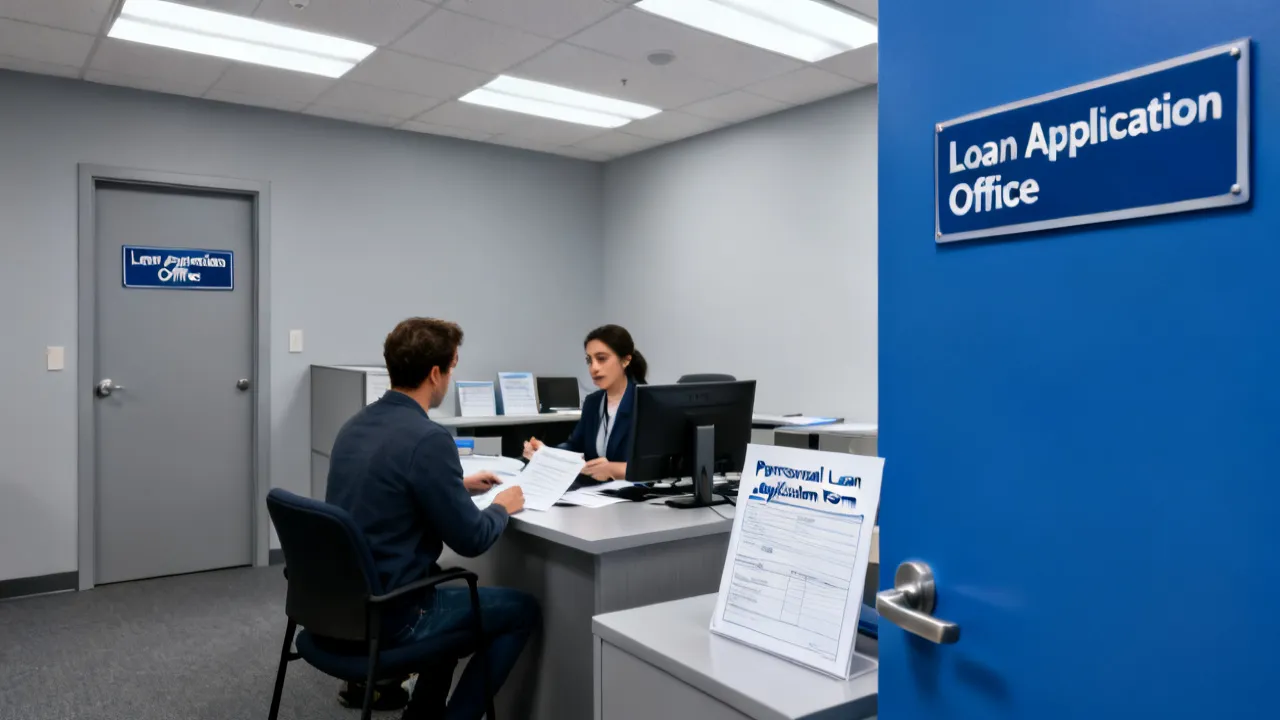
- Submit Application: Applications can typically be made online through the lender’s website or physically at a branch. Ensure all information is accurate before submitting.
- Review and Decision: The financial institution reviews submitted applications and may request additional documents or conduct an interview, especially for significant loan amounts, before making their decision.
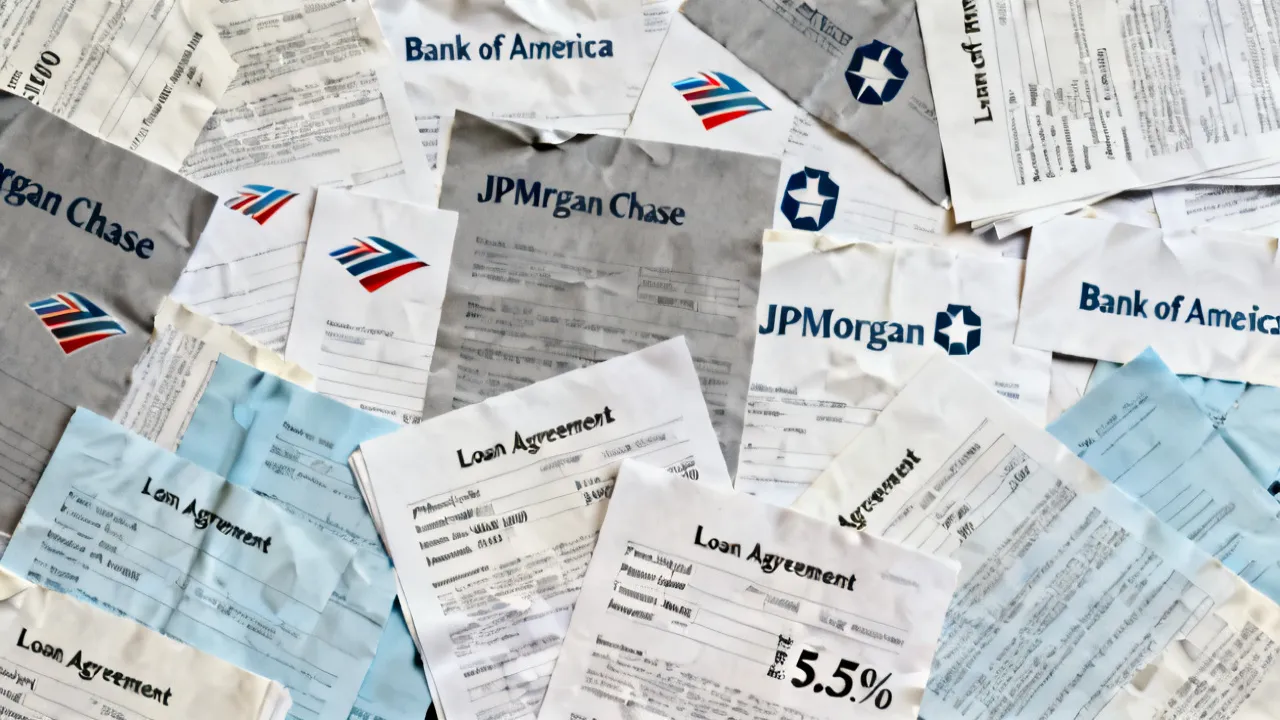
- Loan Agreement & Acceptance: If approved, it is crucial to review the terms thoroughly, including interest rates, repayment schedule, and any fees, before signing the loan agreement. Take the time to understand every clause.
FAQs
What factors should I consider when choosing a loan?
Consider interest rates, associated fees, repayment terms, the reputation of the lender, and whether or not they offer any additional services like borrower support or flexibility in repayment.
Can I repay my loan early?
Yes, many lenders offer the option to repay early. However, be sure to check if any early repayment penalties apply, as they vary by lender and country, influencing the total cost of the loan.
How do interest rates affect my loan?
Lower interest rates reduce the overall cost of the loan, making monthly payments more manageable. It's important to calculate the total amount repayable over the life of the loan to fully understand financial commitments.
What are secured vs. unsecured loans?
Secured loans are backed by collateral (like a house or car), which can reduce the risk for lenders and often result in lower interest rates. Unsecured loans, on the other hand, do not require collateral, making them riskier for lenders and typically resulting in higher interest rates. Always assess your ability to meet repayment obligations against the type of loan you choose.
What should I do if I cannot make my loan payments?
If you find that you're struggling to meet repayment obligations, it's essential to communicate with your lender as soon as possible. They may be able to offer solutions such as reducing payment amounts, extending the loan term, or temporarily pausing payments. Ignoring the problem can lead to more severe consequences, including damage to your credit score and additional fees.
Conclusion
As noted, English-speaking countries provide a rich variety of loan options tailored to meet different financial needs. Understanding distinct offerings across various lenders, alongside an awareness of regulations and associated risks, is crucial for any prospective borrower. When considering a loan, it's essential to examine the terms carefully, account for personal financial capacity, and plan for responsible repayment. Each country offers unique products and terms that can be greatly advantageous if navigated with robust knowledge and diligence.
Disclaimer: The information above springs from online resources that were accurate as of October 2023. Specific loan requirements, rates, and repayment conditions may change over time, subject to the lenders' discretion and regulatory updates. Regular contact with the chosen financial institution is essential to remain informed about current offerings and obligations.